READ THIS: A Captivating Story of the Making of Paul Simon's 'Graceland'
/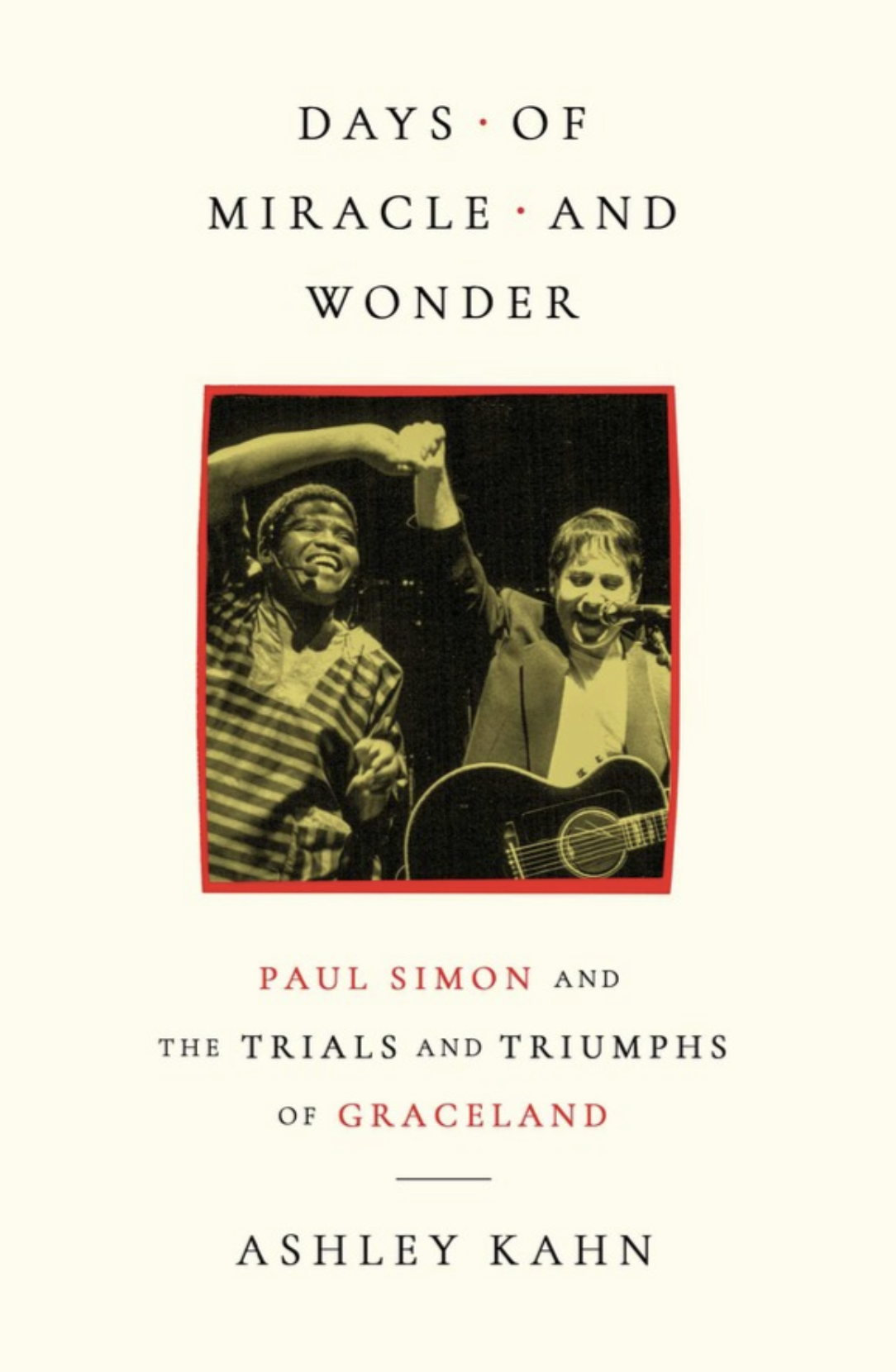
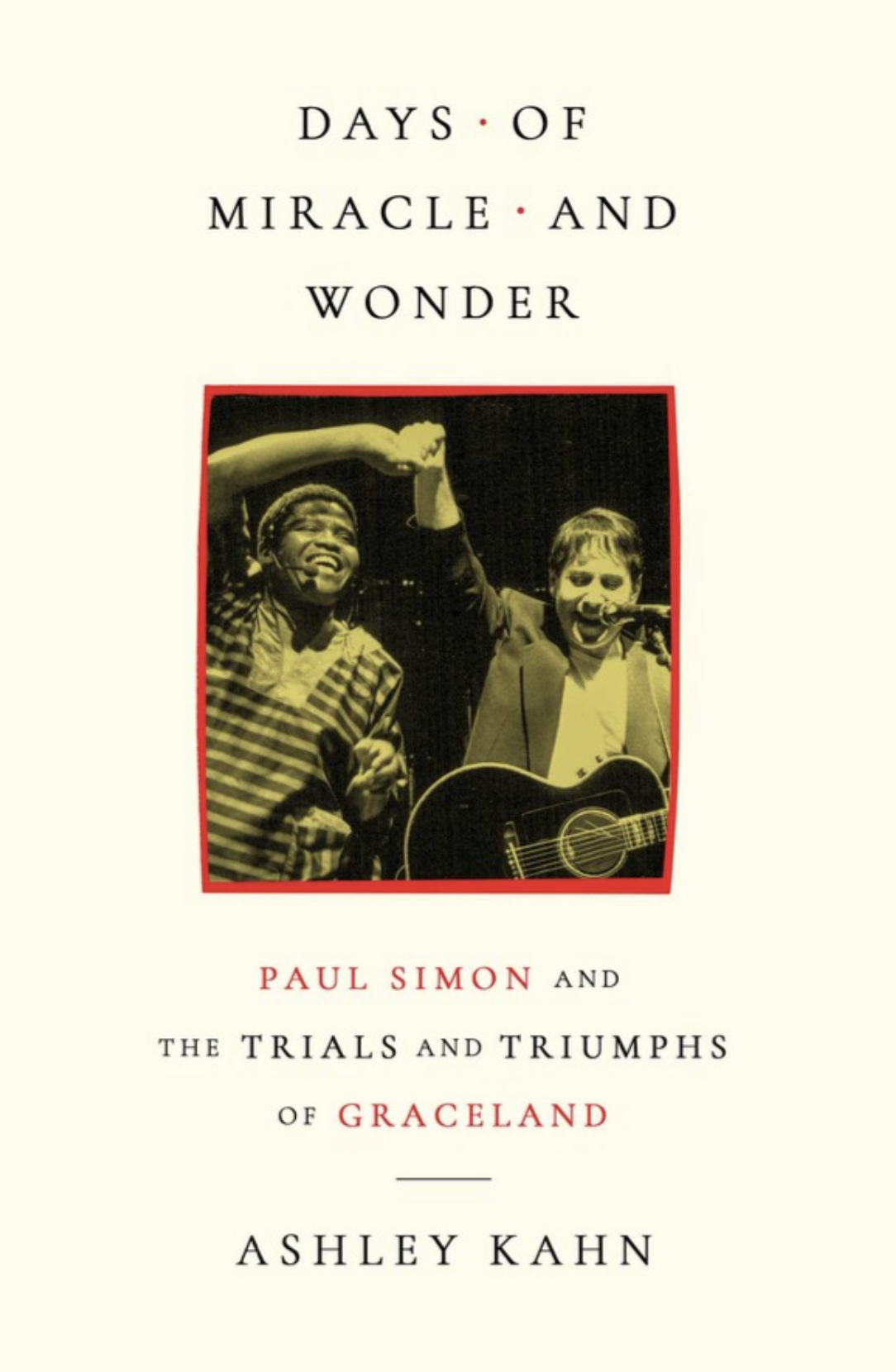
Days of Miracle and Wonder: Paul Simon and the Trials and Triumphs of Graceland
Atria Books, 310 pp.
When Paul Simon performed at Forest Hills stadium in July, a homecoming to the neighborhood he grew up in, he recalled from the stage that he had first performed there 60 years ago. It’s been a long and spectacular career, and an unquestionable highlight is Graceland, Simon’s remarkable 1986 album recorded in Johannesburg with local musicians, including the great South African group Ladysmith Black Mambazo.
In Days of Miracle and Wonder, music historian Ashley Kahn tells an enthralling story of how the album came to be, starting with the famous bootleg cassette of South African township music that a friend gave Simon, starting him on his journey. Simon’s label wanted him to make the album with an American disco musician, but he insisted on doing it in South Africa. It was a controversial decision given the anti-apartheid cultural boycott that was underway, but Simon wanted to shine a spotlight on Black South African musicians who did not have the global following they deserved, and to produce a work of art that felt authentically of its place.
Kahn recounts the fascinating history of how Graceland was recorded, from Simon’s travels to South Africa to the studio work of pulling it all together – where there were, as Kahn says, taking a phrase from the album, “angels in the architecture.” Graceland was also a personal moment of grace for Simon. When he recorded it, his career was in the doldrums and his marriage to actress Carrie Fisher was unraveling in its first year.
Graceland won the Grammy for Album of the Year in 1987, and it is now a classic. It is, Kahn writes: “A best-selling album of lasting musical influence. A technical breakthrough in recorded sound. A major cultural event with impact beyond the confines of popular music.” It is also simply beloved. The audience in Forest Hills Stadium this summer were delighted and full of nostalgia when Simon sang hometown favorites like “Me and Julio Down by the Schoolyard,” but they were blissful when he sang, backed up by a South African bassist who played on Graceland, about the unnamed woman who had “diamonds on the soles of her shoes.” — Adam Cohen