HOT FIVE: A Thrilling New Book from Scott Turow, a CBS Anchor's Memoir, and More
/
And a beautifully written memoir from the son of two famous 1960s radicals
Read MoreAnd a beautifully written memoir from the son of two famous 1960s radicals
Read More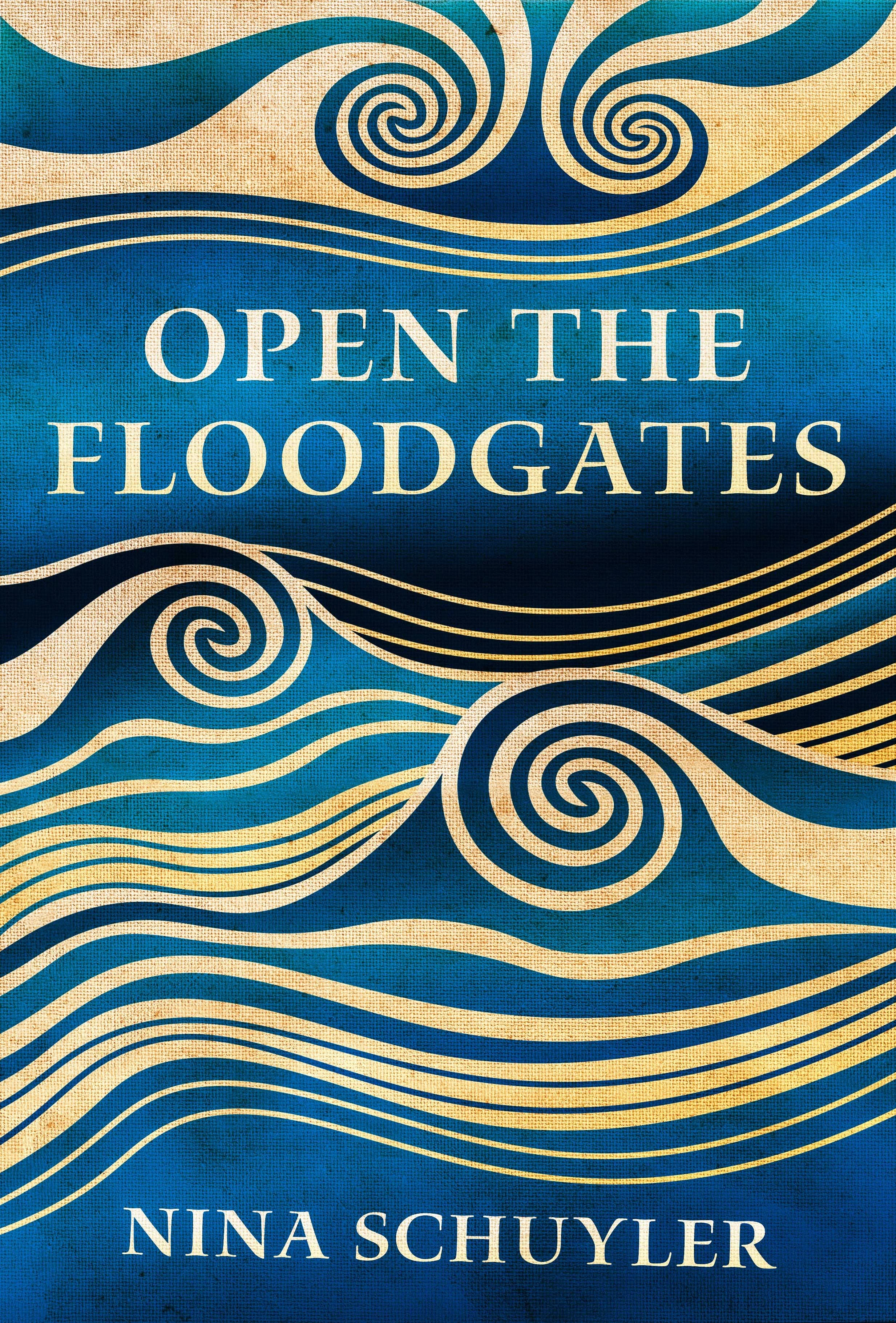
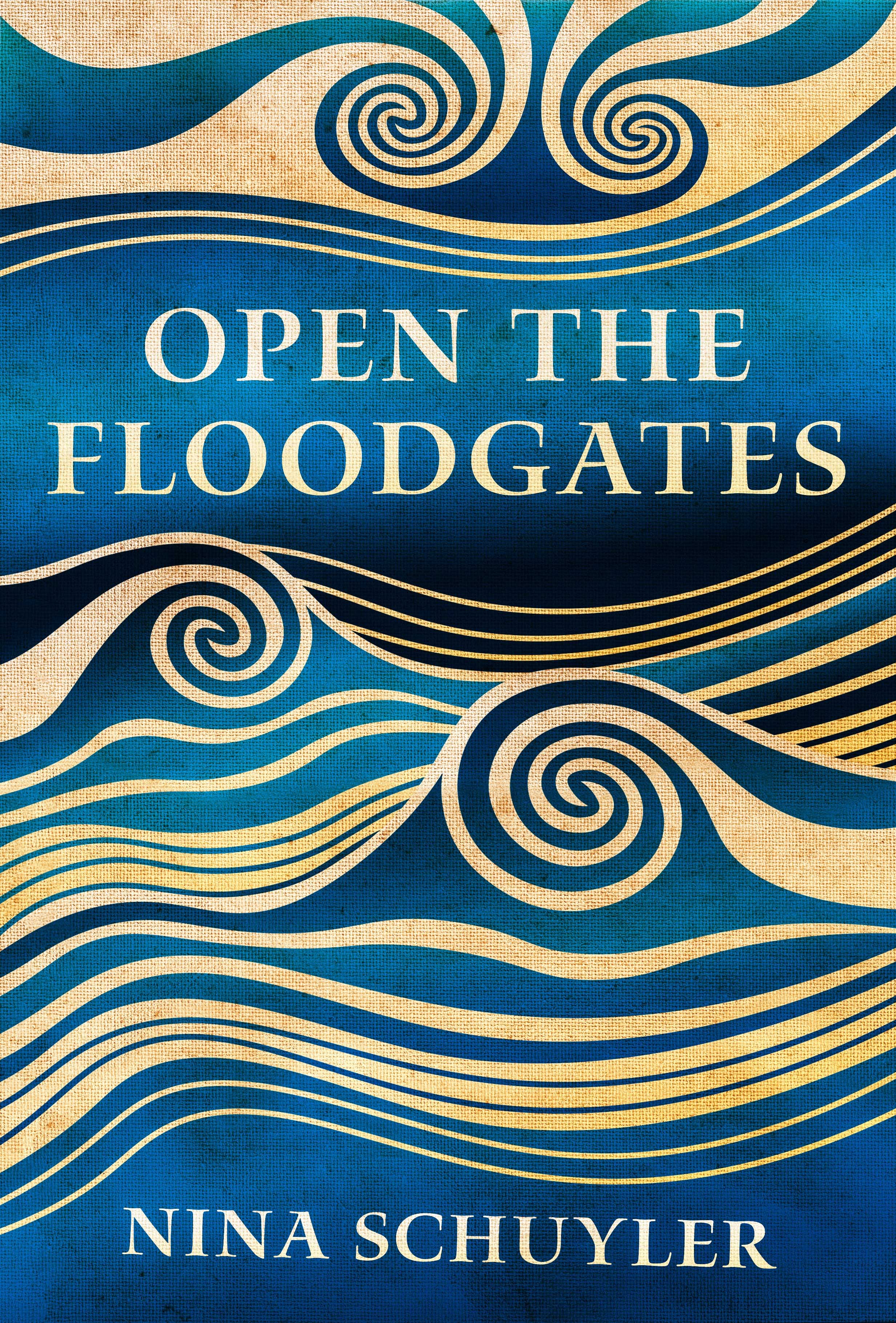
Few contemporary novelists are as fresh and imaginative in their examination and dramatization of profound moral questions as Nina Schuyler is. In her new novel, Open the Floodgates (Reverberations Books) Schuyler, an attorney and a writer and writing professor, transforms an extraordinary legal premise into a suspenseful and beautifully written work of fiction: a river appears in court to argue for its right to exist.
Inspired by the growing global movement to grant legal personhood to natural entities, Schuyler blends courtroom drama, magical realism, and ecological inquiry into a novel as intellectually daring as it is emotionally affecting.
Rather than a bleak vision of environmental collapse, Open the Floodgates invites readers to imagine a radically different relationship between humanity and the living world—one rooted in interdependence rather than domination. Its chorus of voices, which includes humans, animals, birds, and the river itself, challenges conventional notions of agency and consciousness and reminds us that the boundaries separating us from nature are largely of our own making.
In this conversation, Schuyler discusses the legal and philosophical foundations of her new novel, the exhilaration of abandoning traditional narrative constraints, and why hope remains an essential ingredient in fiction that looks closely at the effects of humankind’s obsession with profit and growth at any cost. -- Christine Sneed
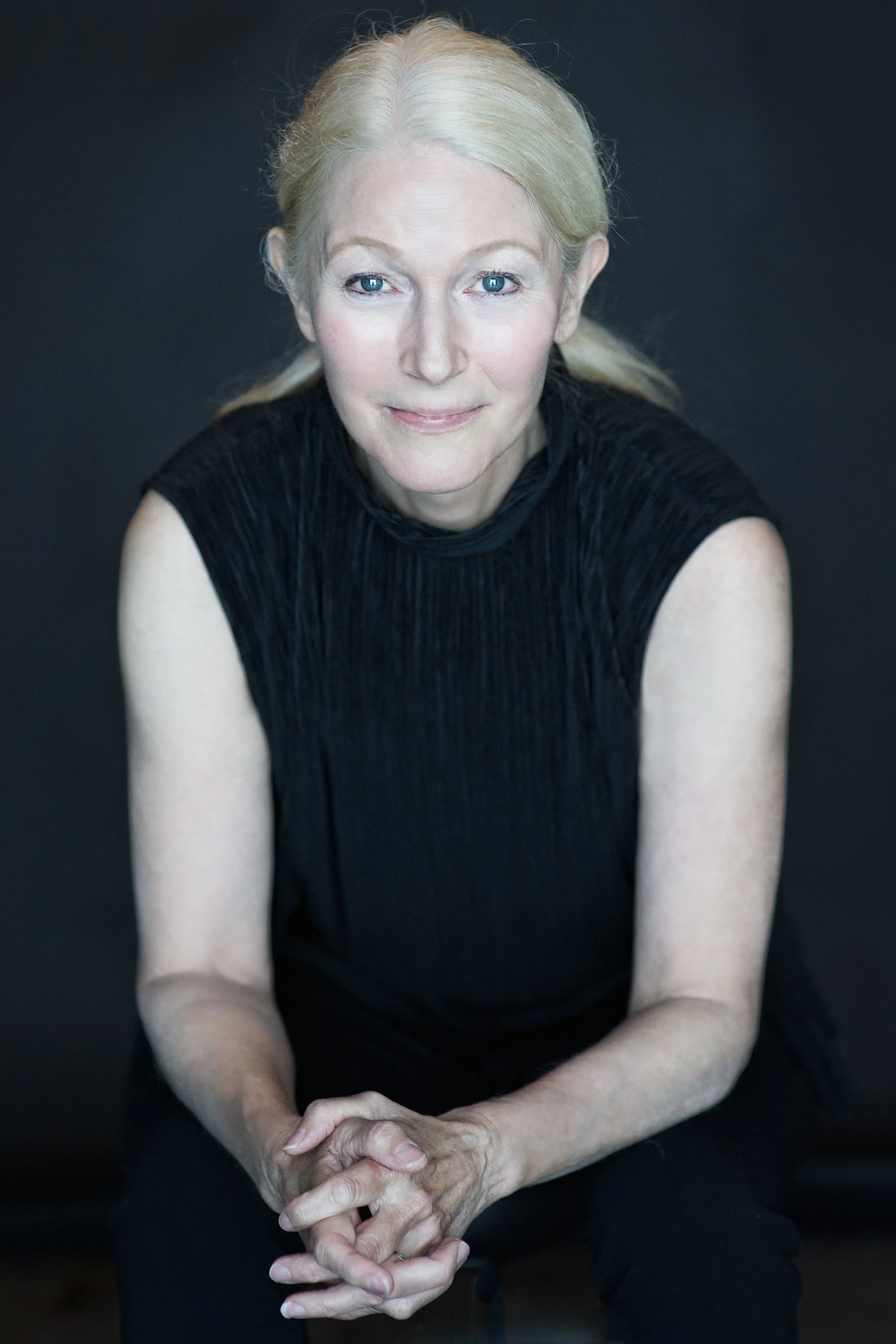
Nina Schuyler discussed Open the Floodgates for with Christine Sneed for The National Book Review
Q: The central conceit of Open the Floodgates—a river going to court to assert its right to exist—will likely strike many readers as unusual. What inspired this idea, and when did you realize you wanted to write a novel about it?
A: When I went to law school, one of my favorite classes was Water Law. Since then, I’ve followed the legal developments in this area, and one of the most intriguing has been the countries, local jurisdictions, and indigenous populations that have granted personhood to natural entities. In 2008, Ecuador was the first country to grant personhood rights to Nature. New Zealand came along in 2017 and gave personhood status to the Whanganui River, as well as a forested valley and Mount Taranaki, which is considered an ancestor by Indigenous people. The cloak of personhood is a fascinating blend of Western law and indigenous belief, which, as I understand it, views natural entities as alive.
Let me back up. In every fiber of my being, I feel compelled to do something about the climate crisis. I’m not good at many things, but I can write. And I kept thinking the personhood concept has all the elements of a story, in part because it's not only a fundamental shift in the legal frame, but also a new mindset—at least for the Western mind. Under the Western legal system, everyone and everything is either a person or property. Personhood laws move what has been considered property into the person category, meaning they can’t be owned or harmed; they have rights and responsibilities.
As I followed the trend, my imagination began to play. What if a river went to court? Just flowed right up the concrete steps and into the lobby and the courtroom? It sounded like a playful and enchanting way to write about the climate crisis and our relationship with the other-than-human. I wouldn’t be pounding anyone on the head with dread and despair. The River might be a mesmerizing point of view: to see the world through the lens of the River—how astonishing that would be.
Q: Many courtroom dramas ask, “Who is right” Open the Floodgates seems more interested in asking, “Who—or what—gets recognized as worthy of moral consideration?” Was that always the novel's deeper concern?
A: In early drafts, I was just figuring out the story—furiously writing writing to discover. After several drafts, I realized those were the stakes: who or what gets recognized as worthy of moral consideration. It’s a profound question and upsets the traditional way of viewing the world. For so long, at least ever since Descartes, the Western mind has divided the world into subject and object. Humans are subjects and everything else is an object (and so easily humans turn other humans into objects). But with the personhood movement, the nonhuman is now a subject, with rights and responsibilities.
What we viewed as inert or a machine (Descartes’ view), and therefore a resource, is no longer. And what if we went one step further: the nonhuman is alive, and, as we increasingly find with animals, is sentient with an inner life. And has intelligence. A desire to live. Then what? How should the River be treated? The whales? The trees? Shouldn’t these living beings have a voice? Shouldn’t their lives be valued and taken into consideration before they are chopped down or polluted or ripped up?
Q: A river doesn’t argue for itself in human language, yet your novel asks us to hear its case. Did writing from the river’s perspective require you to rethink what constitutes a “voice” in fiction?
A: As with any character, I thought about the River’s idiosyncrasies and history: what makes a river a river. What are its unique qualities that shape its voice, both its inner and exterior voice? The answer determines diction, imagery, syntax, associations, on and on. This River is about three million years old, so it is a vessel of memories. It knows everyone in the courtroom, and in some cases, knows their ancestors, too—the great, great great, great relatives.
The River knew who to ask to come to court to argue on its behalf; knew who cared about it, even loved it. It remembers how the land used to be, populated by cottonwood trees and so many fish along the gray rocks. It’s baffled by the courtroom and rules and finds it nearly impossible to sit still because the fundamental essence of a river is movement. And it’s never been in a rectangle before or up so high off the ground.
Here’s the River in the courtroom: “The River spots a window and hurries over to it, pressing itself to the cold glass. The sun is smashing the horizon and the pigeons are on the ledge… Look, thinks the River, a tree pouring out tiny buds of green. Look, people so small as if they can’t hurt an ant.”
All of that informed the voice and was thrilling to try to imagine how it would view the human world. After a break in the court proceedings, the River heads back to court wondering: “How do people do it, doing things they despise—what happens to them? What will happen to the River-person now that it’s a person? I beg everything.”
Q: One of this novel’s most striking qualities is its omniscient point of view, which moves fluidly among humans, animals, birds, and the river itself. Was this your POV choice from the start or did you decide to use it after you'd been working on this book for a while?
A: This oceanic point of view evolved naturally and then ecstatically. I started with the River and then the Judge, then came the Judge’s wife, and the pigeons, who are peering into the courtroom, and I wondered why stop there? And so, I began to play—play and playfulness are the operative words for this book and its evolution. A big storyteller voice came in, opinionated and keen to tell the story.
The voices multiplied to the dogs, ducks, human witnesses, horses, the muddy bottom, the cottonwood tree, on and on. I didn’t know if it would work, so it was a little frightening, and it was also exciting in that hot rebellious way of tossing off traditional rules of narration. I’d never done something like this before, not to this extent. But why not risk everything? Go ahead and be a little delirious and upend the usual frame. What I kept hearing in my mind was Ursula K. Le Guin who said at a lecture, “We’ve tried objectifying the nonhuman world, and look where it’s got us. Maybe we try to subjectify.”
OK, Le Guin, I’m doing this. And I think she’s right that humans are more inclined to care if there’s some human-like aspect to the nonhuman being.
Q: Throughout the novel, the river becomes a metaphor for interdependence, and it’s more and more apparent as the story progresses that separating humanity from the ecosystems that sustain us is, ultimately, an illusion. Was interconnectedness the novel’s organizing principle from the beginning, or did it emerge through revision?
A: It was there at the beginning; I just didn’t know how far the interconnectedness would reach. I agree with Robert Creeley, who said form is an extension of content. Everyone in this town has a relationship with the River, and ultimately the River has a relationship with the people, and all the life that has come to the River for water, to hear it gurgle and swirl, to watch it flow, to settle them, calm them. I hope that the fluid point of view also simulates the interconnectedness, too, and reminds the reader that we’re not so different from the River with our little rivers and blood flowing in our veins like a river’s natural tributaries.
Q: There are moments in Open the Floodgates that feel almost mythic alongside passages grounded in legal argument and contemporary realism. How did you arrive at the novel's tonal balance?
A: I think once I stepped into magical realism, I felt tethered to realism and also something else, maybe the magic found in the real world. Or maybe it’s awe. When the River moves on the page, it sways side to side, which meant the language had to be compressed to fit the swaying motion. That, I think, invited the poetic and maybe the mythic. The River, compared to humans, is ancient. The courtroom drama and language provided concrete grounding, as well as the human characters with their day-to-day concerns—jobs, worries about health, raising children, love, romance, on and on.
It became a matter of feeling the pulse of the story and not letting it swing too far in one direction or the other. Virginia Woolf’s work was definitely a model and inspiration, the way she heads into the interior and then comes back to the concrete real world, and there is Mrs. Dalloway perched on a curb, waiting for Durtnall’s van to pass.
Q: Despite the urgency of the environmental concerns dramatized in Open the Floodgates, I never found it despairing. Were you consciously trying to leave readers with hope rather than resignation?
Absolutely! I can’t read apocalyptic or dystopian climate literature. It cracks or implodes something inside me, under its weight, something vital to me, which might be hope or a love of life, I’m not sure. Writing about the ecological disaster is a hard balancing act between hope and truth, but it’s an important one for me. Too much brute fact, and you’re heading into despair, nihilism, and apathy. Too much hope, and you’re delusional. Fortunately, because the River finds itself in such unusual situations, there were many opportunities for humor—yes, actual humor (in my opinion).
Here’s the River looking at the Judge: “The River studies the man perched high at the front of the room, all dressed in black, big-winged like a crow. But this crow is enormous; this crow could never fly. Clumsy, doesn’t know where to put its wings. Flap, flapping, a tired crow, a big-eater crow.”
Q: Your novel challenges the idea that productivity is synonymous with progress. Do you think many contemporary fiction writers are increasingly pushing back against this particular cultural narrative, or is literature uniquely positioned to question it?
In this technological age, humans feel the insidious pressure to become machines, with our primary values being productivity and efficiency. Since the Industrial Revolution, there has been this pressure, but it’s intensified because of the advancement of artificial intelligence and the sense we’re in competition with machines for our jobs. We need to work harder, become more efficient, or we’ll be replaced.
Yet so many people feel lonely or exhausted or are living without meaning. We forget we’re also animals and the things we value most—relationships, romance, love, eating good food, playing—are physical and demonstrably animal. That forgetting not only has psychic consequences, but also, as Melanie Challenger writes in How to Be Animal, devastating consequences for the environment. We are animals that don’t think we’re animals, she says, and so we don’t know the right way to behave towards life and nonhumans. Meanwhile, as we claim exceptionalism and increasingly become machine-like, the living world is in crisis.
The definition of progress means gradual betterment. In the novel, the Z Corporation arrives in court because it, too, is a person. In the 19th century, the law granted personhood to corporations. The Z Corporation reminds the court and jury that if the River has its way, if it exists and thrives, productivity will drop—people will suffer. Jobs will have to be cut. “’Without me,” says the Z Corporation, you don’t have anything. That’s the truth, and to say otherwise is a big fat lie.’ The Z Corporation glares at the River as if it is a big fat lie.”
Yet there is a sense that while we are busy being productive, working harder and harder, something profound is missing. According to the U.S. Bureau of Labor Statistics, in 2025, thirty-one percent of private industry workers received 10 to 14 days of paid vacation after one year of service. After 10 years of service, 31 percent of private industry workers received between 15 and 19 days of paid vacation.
I think literature is uniquely positioned to hold up a mirror and show us to ourselves. A story is a safe way for someone to scrutinize and reevaluate and ultimately reflect. You can say, I’m reading about other people, fictional people at that—it’s not me. Stories say to your brain, Let’s live over here for a while. Let’s see how this feels. Let’s consider other possible ways of being in the world.
Q: You’ve written across genres and forms in your body of work. What continues to draw you to experimentation and innovation, and what are you working on now?
A: I’m always looking for a challenge, something I haven’t done before. Whatever I write about must matter deeply, so I keep coming back to the climate crisis. A novel takes a long time for me to write. I spend an inordinate amount of time on sentences—the sound and rhythm, the metaphors. I like to make the language dance and swivel, do unexpected things. A novel utterly consumes me, my thoughts, my other reading. It’s like living in a dream. The dream and that is the novel, and then it’s still there, as I take care of my son or hike the hills with my husband. Right now, I’m working on a new novel and have a blueprint of a possible storyline, but not much else and it’s lovely.
Christine Sneed’s most recent books are Please Be Advised: A Novel in Memos, Direct Sunlight: Stories, and The Virginity of Famous Men. Her stories have appeared in New England Review, Story, The Best American Short Stories, The O. Henry Prize Stories, Ploughshares, Boulevard, and other publications. Her novel Little Known Facts was a New York Times Editors’ Choice selection, and she’s received the Grace Paley Prize, Ploughshares’ Zacharis Prize, the 21st Century Award from the Chicago Public Library Foundation, and has been a finalist for the L.A. Times Book Prize. She lives in Pasadena, California and teaches for Northwestern University and Stanford Continuing Studies.
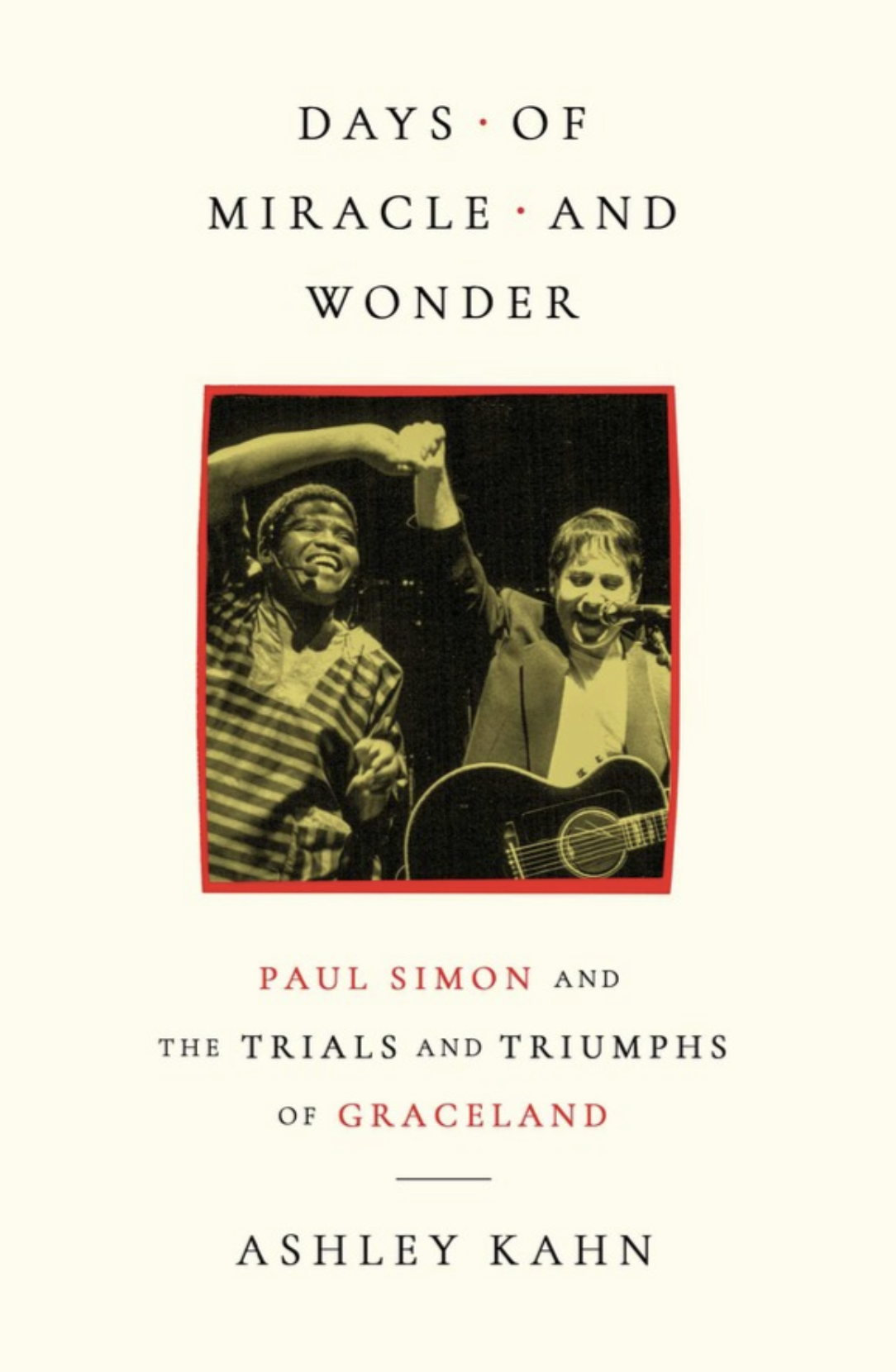
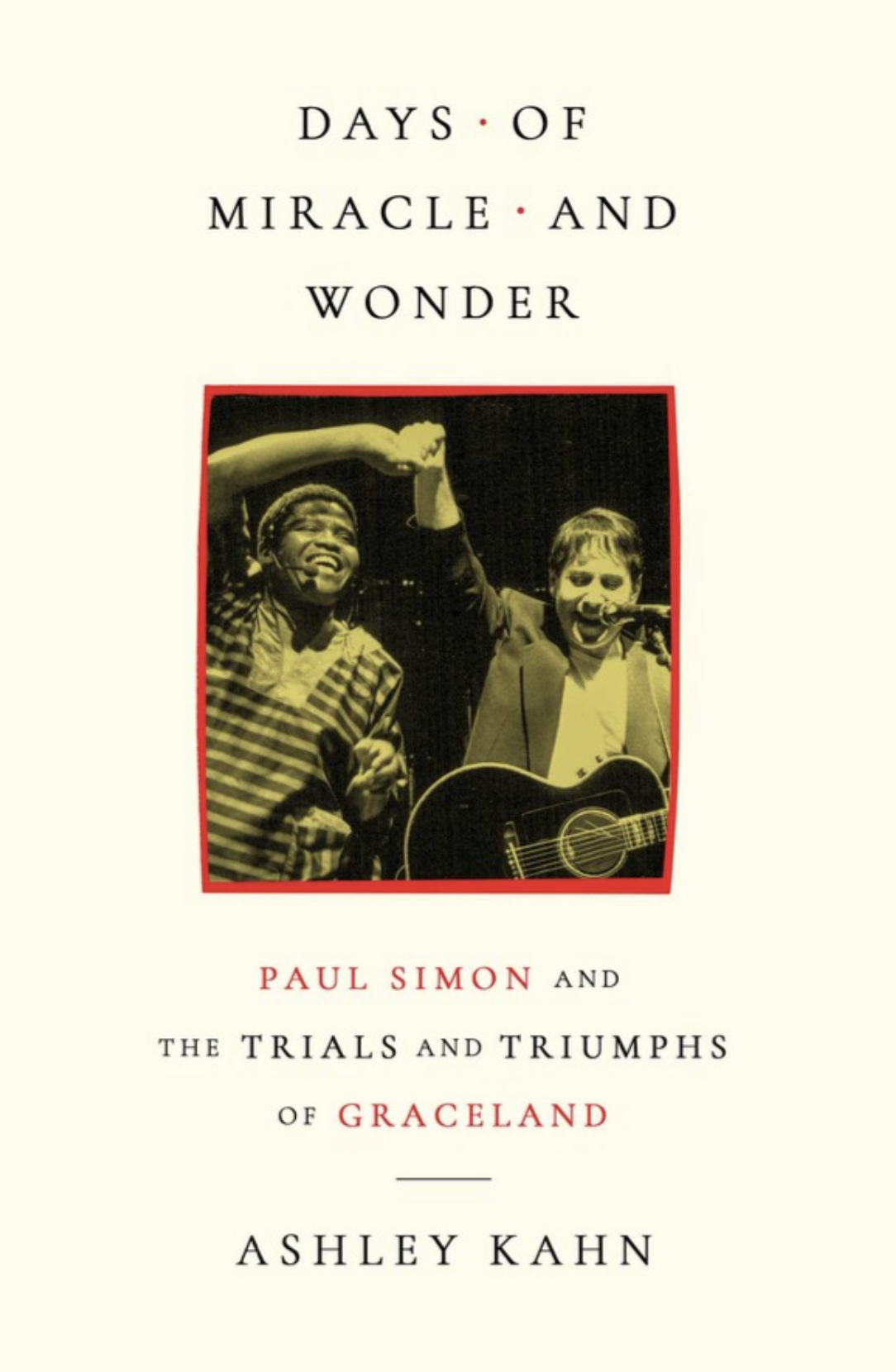
Days of Miracle and Wonder: Paul Simon and the Trials and Triumphs of Graceland
Atria Books, 310 pp.
When Paul Simon performed at Forest Hills stadium in July, a homecoming to the neighborhood he grew up in, he recalled from the stage that he had first performed there 60 years ago. It’s been a long and spectacular career, and an unquestionable highlight is Graceland, Simon’s remarkable 1986 album recorded in Johannesburg with local musicians, including the great South African group Ladysmith Black Mambazo.
In Days of Miracle and Wonder, music historian Ashley Kahn tells an enthralling story of how the album came to be, starting with the famous bootleg cassette of South African township music that a friend gave Simon, starting him on his journey. Simon’s label wanted him to make the album with an American disco musician, but he insisted on doing it in South Africa. It was a controversial decision given the anti-apartheid cultural boycott that was underway, but Simon wanted to shine a spotlight on Black South African musicians who did not have the global following they deserved, and to produce a work of art that felt authentically of its place.
Kahn recounts the fascinating history of how Graceland was recorded, from Simon’s travels to South Africa to the studio work of pulling it all together – where there were, as Kahn says, taking a phrase from the album, “angels in the architecture.” Graceland was also a personal moment of grace for Simon. When he recorded it, his career was in the doldrums and his marriage to actress Carrie Fisher was unraveling in its first year.
Graceland won the Grammy for Album of the Year in 1987, and it is now a classic. It is, Kahn writes: “A best-selling album of lasting musical influence. A technical breakthrough in recorded sound. A major cultural event with impact beyond the confines of popular music.” It is also simply beloved. The audience in Forest Hills Stadium this summer were delighted and full of nostalgia when Simon sang hometown favorites like “Me and Julio Down by the Schoolyard,” but they were blissful when he sang, backed up by a South African bassist who played on Graceland, about the unnamed woman who had “diamonds on the soles of her shoes.” — Adam Cohen
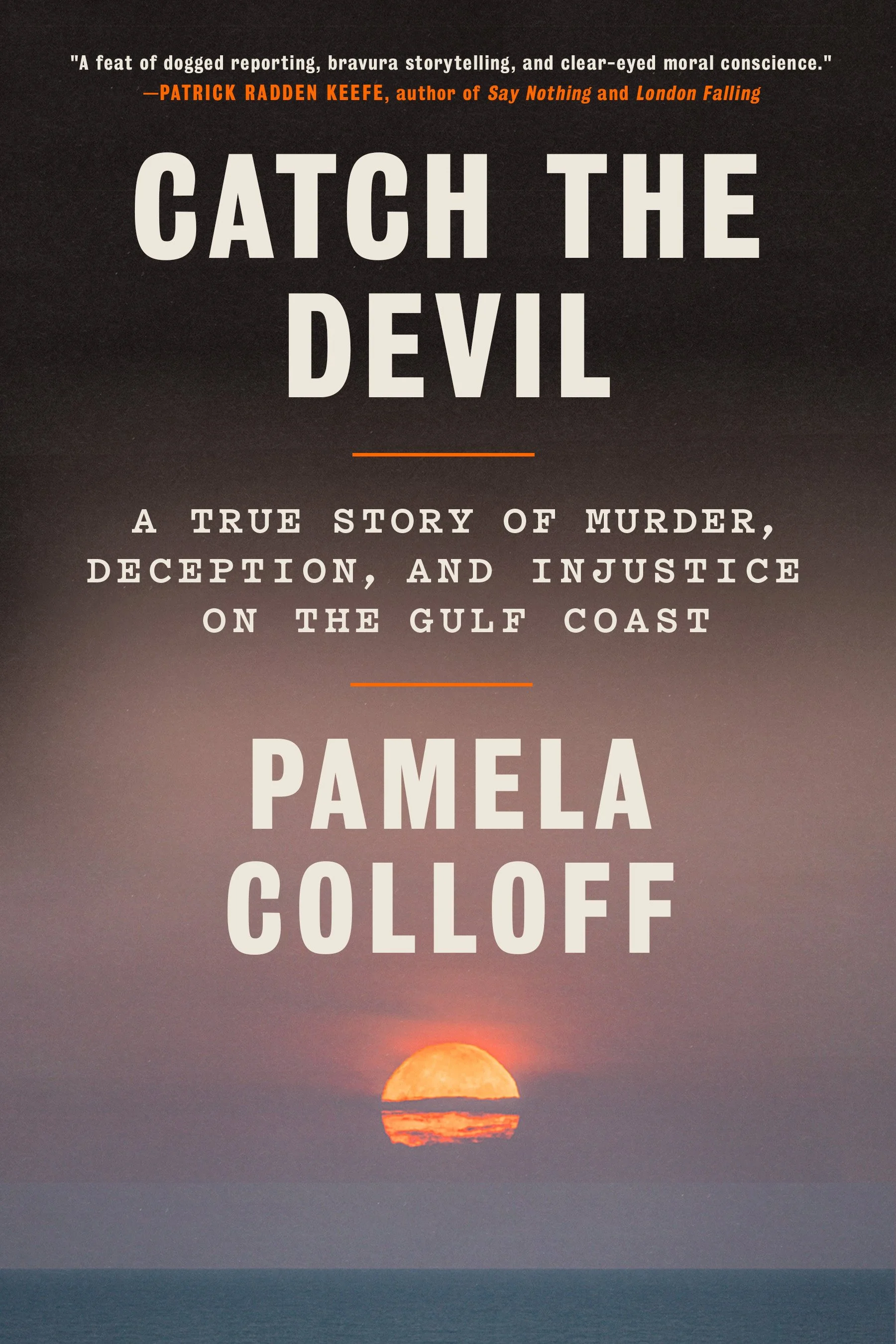
A real-life story of a miscarriage of justice, and the difficulty of righting it
Read MoreTwo New Books Explore the Lives of America’s Great Explorers
Read More
1. Like Wafers in Honey by Leah Eskin (Levine Querido)
In her poignant novel, Eskin draws from the shadows of history to vivify the dramatic life and work of Edda Servi Machlin, the immigrant New York suburban housewife who wrote the cookbook The Classic Cuisine of the Italian Jews. Richly imagined, in delicious prose, Eskin’s novel braids the story of Machlin’s acculturation to America in the Eisenhower years with that of young Stella Fortuna, who was forced to flee her Tuscan town when Nazis arrived to deport Jews. Brilliantly embedded into this shapely novel are more than 40 of Machlin’s recipes, which Eskin stylishly adapted for today’s cooks, equipment and sensibilities.
2. Cleavage: Men, Women, and the Space Between Us by Jennifer Finney Boylan (Celadon)
Boylan is done explaining and apologizing. Nearly a quarter-century has passed since the publication of her groundbreaking She’s Not There, in which she patiently chronicled her transition from “James” to “Jenny.” The distinctive and charming wit that made her first memoir a bestseller is present in Cleavage, but this memoir is further enriched by her wisdom, 36-year marriage to her wife, Deedie, sharp cultural analysis of gender relationships, activism and the indignities of aging.
3. Ghosts of Fourth Street: My Family, a Death, and the Hills of Duluth by Laurie Hertzel (University of Minnesota Press)
Hertzel’s family zigzagged across Illinois, Kentucky and Missouri, finally landing in Duluth, Minnesota, when her volatile father landed a teaching job. Laurie Hertzel, books editor of the Minneapolis Star Tribune for 15 years, was the seventh of 10 children sandwiched into a two-story house. Hertzel vividly evokes those years, capturing both the cacophony and silences of her childhood, particularly the pain that informed life after her poetically inclined, “thin and gawky” oldest brother died in an accident, leaving both gaping holes and silence in the family.
4. Without Fear: Black Women and the Making of Human Rights by Keisha N. Blain (W.W. Norton)
Activists and changemakers like Ida B. Wells and Madam C.J. Walker have won admiration for their hard-fought battles for human rights in America and around the world. Blain spotlights them as well as lesser-known grassroots activists who linked domestic racism and anti-colonialism, from the mothers of the Scottsboro boys to those activists in Africa, Asia and the Caribbean who used their social networks to agitate for human dignity and respect throughout the world.
5. The Lost Orchid: A Story of Victorian Plunder and Obsession by Sarah Bilston (Harvard University Press)
From a bud found in a packing crate from Brazil in 1818, Bilston tells the story of a rare and coveted variety of purple-marked orchid with a “pronounced crimson lip” associated with women’s sexuality and desire. Plant hunters embarked on dangerous expeditions in search of this flower, and through this lens, The Lost Orchid highlights how the international orchid trade and the hybridization of orchids led to their proliferation from the aristocratic to middle classes, in a frenzy that Bilston captures with great verve.
Fine Writing that is a Break from Our Current Chaos
Read MoreA Man’s Meditation on Homeland and Exile
Read More“It’s a long game,” McCracken says. “That’s all I ever want to impart to my students.”
Read More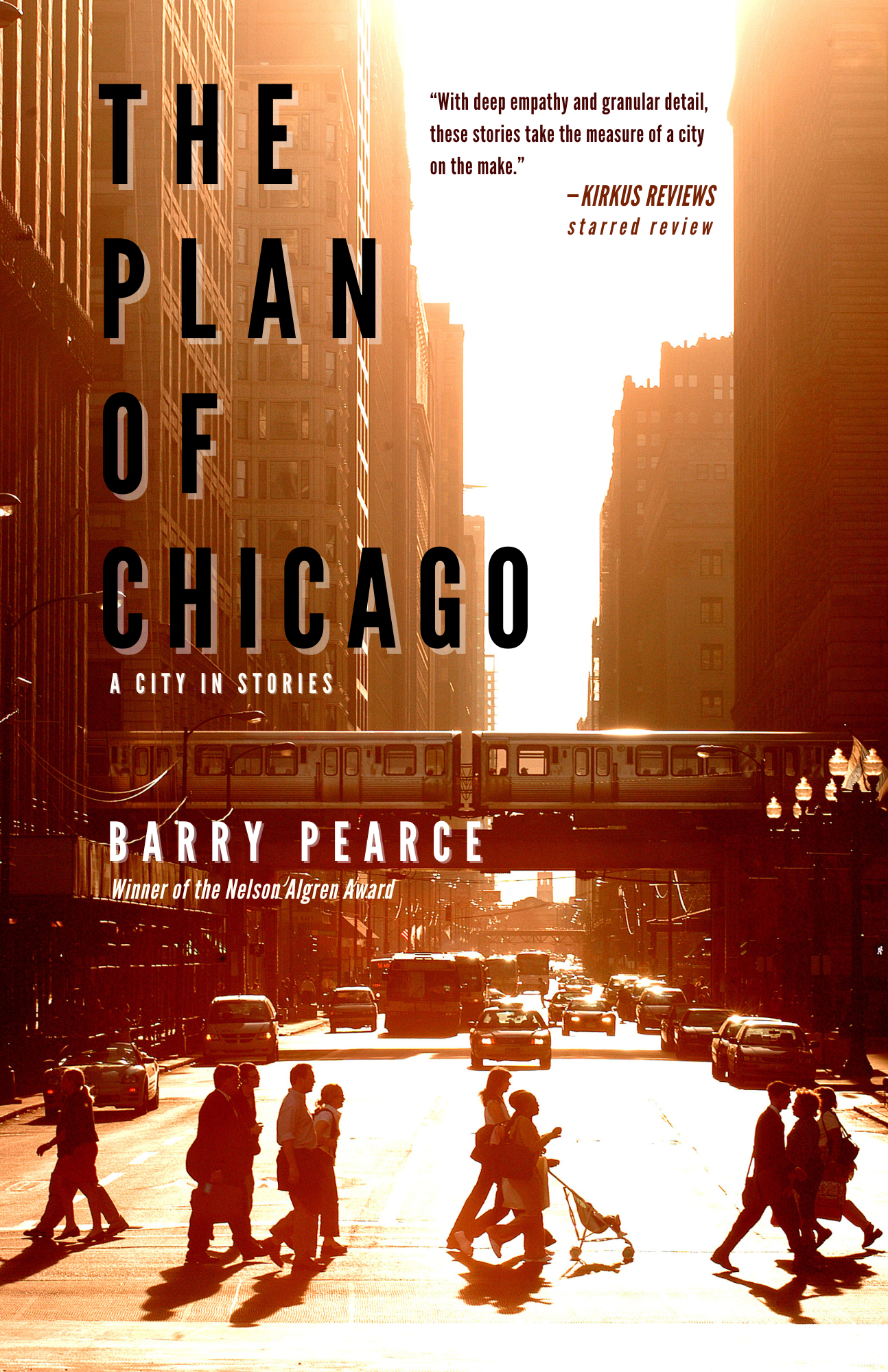
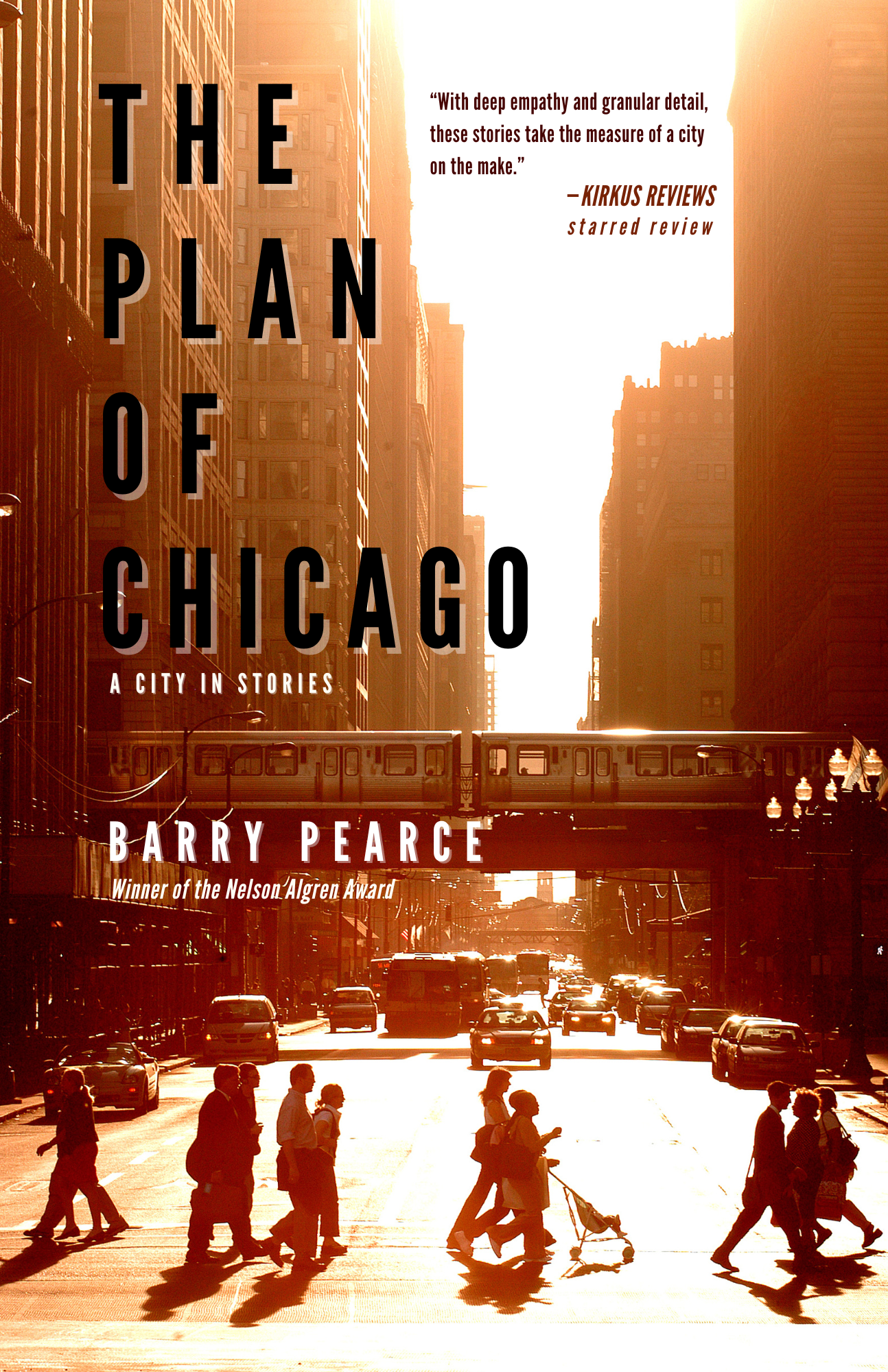
"The short story seems in no danger of disappearing, hesitant as corporate presses often are when a writer, well known or otherwise, presents them with a new story collection for publication. Despite the form’s purported limitations, a range of writers that include George Saunders, Jonathan Escoffery, Lucia Berlin, Morgan Talty, and Claire Keegan have published much acclaimed and commercially successful collections in the last decade.
Chicago-based writer Barry Pearce is a worthy newcomer to their ranks. His debut collection, the vibrant, multifaceted The Plan of Chicago, features nine stories in which Pearce explores with insight and a sure hand the complexity and diversity of Carl Sandburg’s city of big shoulders. Along with Sandburg’s writing, The Plan of Chicago brings to mind Stuart Dybek’s searching, deeply sensitive, and often very funny short stories. Pearce is a writer who has an impressive range and an expansive heart. This is a terrific book." Christine Sneed talked with Barry Pearce about Chicago and the art of the short story for The National.
Q: “The Plan of Chicago” is a reference to a city planning document coauthored by Daniel Burnham. Did you start writing the stories in this book with that document in mind? Or did it come later? In your view, what is the plan of Chicago as you’ve interpreted it in these linked stories?
A: I did not have Burnham’s Plan in mind while I wrote these stories. The first full draft had a different title. The collection originally ended with a novella that included Daniel Burnham, Frank Lloyd Wright, and Louis Sullivan as characters, and “The Plan of Chicago” was mentioned explicitly there. When I finished “Enumerator,” the opening piece, the narrator, Margaret, kept talking about her plan to leave Poland and start a new life in Chicago. At that point, I realized I not only had bookends about “Chicago plans” but that all the stories in between seemed to involve people making plans that revolved around – and were often foiled by – the city.
The 1909 Burnham Plan was brilliant in some ways but also naïve and paternalistic – an attempt to impose order, homogeneity, and social control on a chaotic, wildly diverse place. I’m glad some brilliant bits were used – and that very little of it was realized. So, on one level, for me the title conjures the kind of idealized, almost Edenic vision that characters form around Chicago, only to see the city alter or shred their plans. The title and the epigraph from Burnham about a “City in a Garden” are ironic in this sense (as a reviewer at Kirkus wrote, not much here goes according to plan).
On a more literal level, the de facto plan of Chicago that evolved in place of Burnham’s scheme has many great elements but too often has relied on race, class, ethnicity, and violence as organizing principles. Dakhil, the Somali cab driver in “Lost and Found,” absorbs this “plan” as quickly as the official city grid: “He knew the official neighborhood boundaries, and the unofficial ones separating Black and White, Latin King and Vice Lord, posh and poor…”
The city makes space for beautiful collisions, like the moment of connection Dakhil feels with a rich white widow living in the Gold Coast, but systems stoking division are also, tragically, built into the plan of Chicago – biased policing, ethnic cronyism, a history of redlining, etc. At one point in “Lost and Found,” Dakhil sees a man selling rugs with animal designs outside a van on Division Street (a similar man sold similar rugs on that corner for years). The animals stare straight ahead as if trapped in woven cages, each wanting to escape but unaware of their neighbors’ similar desires. That image of compartmentalization, repeated in various ways throughout the book, sums up a key, unfortunate piece of the plan of Chicago for me.
Q: The first and longest story, “Enumerator,” features a Polish woman, Margaret, who has emigrated to the U.S. after she marries an American. She gets a job working for the census bureau. It’s a terrific story—full of humor, sadness, so many interesting characters and granular details about how to count people for the census. Did you do this work too? I also love the stories within this story. Were they there all along?
A: I’m so happy you like this story. It’s the last one I finished, and don’t we always want the most recent work to be our best? It’s also, I think, the strangest and most challenging piece in the book. It was definitely the most difficult to write – so many balls in the air. I did indeed work for the 2000 Census on NRFU, the Non-Response Follow-Up, counting people who hadn’t been counted because they never returned forms. I needed the money, but it’s one of the few times I went into something thinking of it as fodder for fiction. I paid attention and took notes, and I kept the handbook and forms and such, which was technically illegal (Shh!).
People have told me they read “Enumerator” as a story about someone gaining empathy. I think that’s true, though early on, I began to think of it as a story about someone becoming a writer (plenty of overlap there). Margaret, the narrator, moves from collecting the kind of basic info about people that fits neatly in boxes (more compartmentalization) to getting their real stories, counting them in a more substantial way. Fiction, at least for me, is all about counting the uncounted, and once I understood that metaphor, it seemed natural for Margaret to tell the stories of others within her story, which is about learning how to tell stories (sorry, so many stories!).
Q: You write from many different points of view, reflecting the multiplicity of the city and its inhabitants—young and old, Americans, immigrants, women, and men. How did you ensure that you were getting the voices and details right?
A: It’s a great question. First off, that was the project, to write a book about Chicago, as much of it as possible, which demands, as you say, reflecting the multiplicity of the city and its inhabitants. By some standards, no one is qualified to write such a book, but that means it never gets written, which would be too bad. It’s an incredible city whose diversity is its greatest strength and chief source of beauty. Should we not have a taste of that range on the page?
My answer is obvious, but it’s equally obvious that not everyone can write well about everything. My parents came here from Ireland, so I was on firm ground with the Irish characters. There are a lot of commonalities in immigrant experiences across groups, which gave me some insight into the many other immigrant characters, too. My neighborhood growing up was heavily Polish, with a growing Latino population, and it sat west of a huge, vibrant Black community.
So, one answer to your question is that of the hundreds of groups who might be represented, I leaned into those I had some experience with. Research played a role, whether that was hanging out in a neighborhood, talking to people, or reading books. Having friends with some authority vet various stories helped, too. At the end of the day, though, I think you have to go with what’s on the page and make a judgment call. Does it work? Does it pass what I’ve heard Dagoberto Gilb call “the scratch and sniff test.” I was fairly confident that the details and voice of the young gay African American woman in “Chez Whatever” seemed authentic. Despite our differences, I’ve never felt closer to a character. That is the most difficult and audacious thing, I think, to inhabit another human. If you get that right and you’re not completely out of your depth, the details will follow.
Q: You’ve published many of these stories in literary journals and won a prestigious Nelson Algren award for “Chez Whatever,” the story mentioned above. When you began writing them, did you see them as part of a book, organized by different Chicago neighborhoods (South Shore, Gold Coast, Bucktown, etc.) or did The Plan of Chicago come together over years?
A: The book evolved over many years. I didn’t start out with that structure – each story set in a distinct, labeled neighborhood, with characters overlapping. I was just working on stories, but over time, patterns and connections emerged. Once I saw them, the structure appeared organically. For instance, characters in “Enumerator,” “Chief O’Neill’s,” and “Clearing” were based on my brothers. I first tried to disguise them, but once I accepted the overlap between stories, it became an advantage, The characters deepened because I could explore them over longer periods and in different phases of life.
Once I started to think about how the stories worked together, I realized that each was set in a different Chicago neighborhood. Setting was not only important, it was generative. The place made or influenced the people, affected the plot, and provided imagery. Its dynamics were often the catalyst for the story. Giving setting that kind of role felt natural. I grew up in Chicago, obsessed with its neighborhoods, and as a journalist, wrote endless neighborhood profiles, which required sinking into communities – eating in the restaurants, walking the streets, catching music, drinking in taverns, and talking to residents. Chicago isn’t a town, really, it’s 200 towns, each with its own languages, character, culture, and politics. I find that fascinating, so it’s no surprise that this structure emerged.
Q: The concept of the American dream is an undercurrent that runs through all of these stories in one way or another. What other themes were you consciously (or unconsciously) exploring as you wrote this book?
A: I’m not religious in the least but as myth, the story of the Garden of Eden, with its themes of innocence, temptation, consciousness, and exile, gets referenced throughout the book. Characters often try to deny whatever new understanding they come to, scrambling for the biggest possible fig leaves. Sully in “Chief O’Neill’s” and Izzy in “Out of Egypt” deny knowledge they gain about their situations and those closest to them. Cynthia in “Swing Night” glimpses her tired, sordid relationship but insists that it’s special, and the unnamed narrator of “Chez Whatever” deludes herself into thinking she can undo her original sin if only she retells the story correctly. The fig leaves are already slipping, of course, and none of them will make it home again.
I didn’t understand how thoroughly the Edenic images and themes permeated the book until I was several full drafts in. That motif became an important through-line and on a larger scale, it echoes the Burnham Plan’s naïve utopian promise, that line about a city in a garden from the epigraph. On a still larger scale, beautiful, ugly, variegated Chicago, sitting more or less in the center of the country, is consciously a stand-in for America in the book.
The American dream, to return to your question, especially for immigrants, is another Eden story – innocence, vision of paradise, fall. Immigrants idealize the U.S. (or used to). They realize after arrival that the dream is, at least in part, nightmare, but exile is generally a permanent condition. They don’t quite fit here and can’t go back there, so like the character of Margaret in “Enumerator,” they “live in between.” That liminal space isn’t comfortable but it’s a great vantage from which to write.
Q: Do you have a favorite character or story? I’m showing my hand here – mine is the title story (aka “Enumerator”). Your main character is plucky and tough and beautifully complex.
A: I am thrilled once again to hear you like that story, but, Christine, no fair! It really is like asking who’s your favorite child. My cop-out answer is that different stories and characters have been my favorite at various times. “Chief O’Neill’s” is the oldest, and I think it’s the first story I wrote that felt competent, not that it was great, but that it worked. It was also the first piece of fiction I published, so it was the favorite for years.
“Chez Whatever” was a breakthrough of another sort. It won a prize and earned me actual cash (bringing my hourly rate up to $.02 an hour!), so it became the favorite. Now, as I contemplate a novel, “Enumerator” is in the running for me, too, partly because it’s the most novelistic piece in the book. It makes me feel that maybe I can get my teeth around this form that I find so intimidating.
Q: What are you working on now?
A: I am well into another collection of stories, these ones linked thematically, by architecture. I grew up accompanying my carpenter dad to jobs in downtown skyscrapers, which fascinated me. I later wrote about architecture as a journalist, and later still, became a docent at the Chicago Architecture Center, where I give tours. The novella I mentioned, with Burnham, Wright, and Sullivan as characters, appears in this collection. Every story has some connection to building or design, if not to an architect. I’ve learned as much about fiction from architects like Louis Sullivan as I have from writers, so the idea was a natural. With Sullivan’s dictum that form follows function in mind, I’ve felt both the freedom and need to experiment with the architecture of stories that are about architecture, which has been great fun.
I’m also working on a novel about a family of native Irish speakers who emigrate to the U.S. in the late ’50s. I’m reluctant to say much about it yet, but the oldest three boys are born there, three younger girls here, and the middle child, en route, as they travel by ship to New York. They come to see themselves as two families. The three oldest succumb to drugs and crime in their new home, the three youngest find success, at least on the surface, and the middle child escapes neighborhood blight only to be repeatedly dragged back. Yes, it makes The Plan of Chicago look like the lighthearted romantic comedy of the summer, but next, I will write something funny. Honest!
Christine Sneed is the author most recently of Please Be Advised: A Novel in Memos, and the story collections The Virginity of Famous Men: Stories and Direct Sunlight. She is the editor of the short fiction anthology Love in the Time of Time’s Up, and her work has been included in The Best American Short Stories, O. Henry Prize Stories, Ploughshares, New England Review, and numerous other publications. She has received the Grace Paley Prize in Short Fiction, the 21st Century Award from the Chicago Public Library Foundation, among other honors, and has been a finalist for the Los Angeles Times Book Prize. She lives in Pasadena, California and teaches creative writing for Northwestern University and Stanford University Continuing Studies.
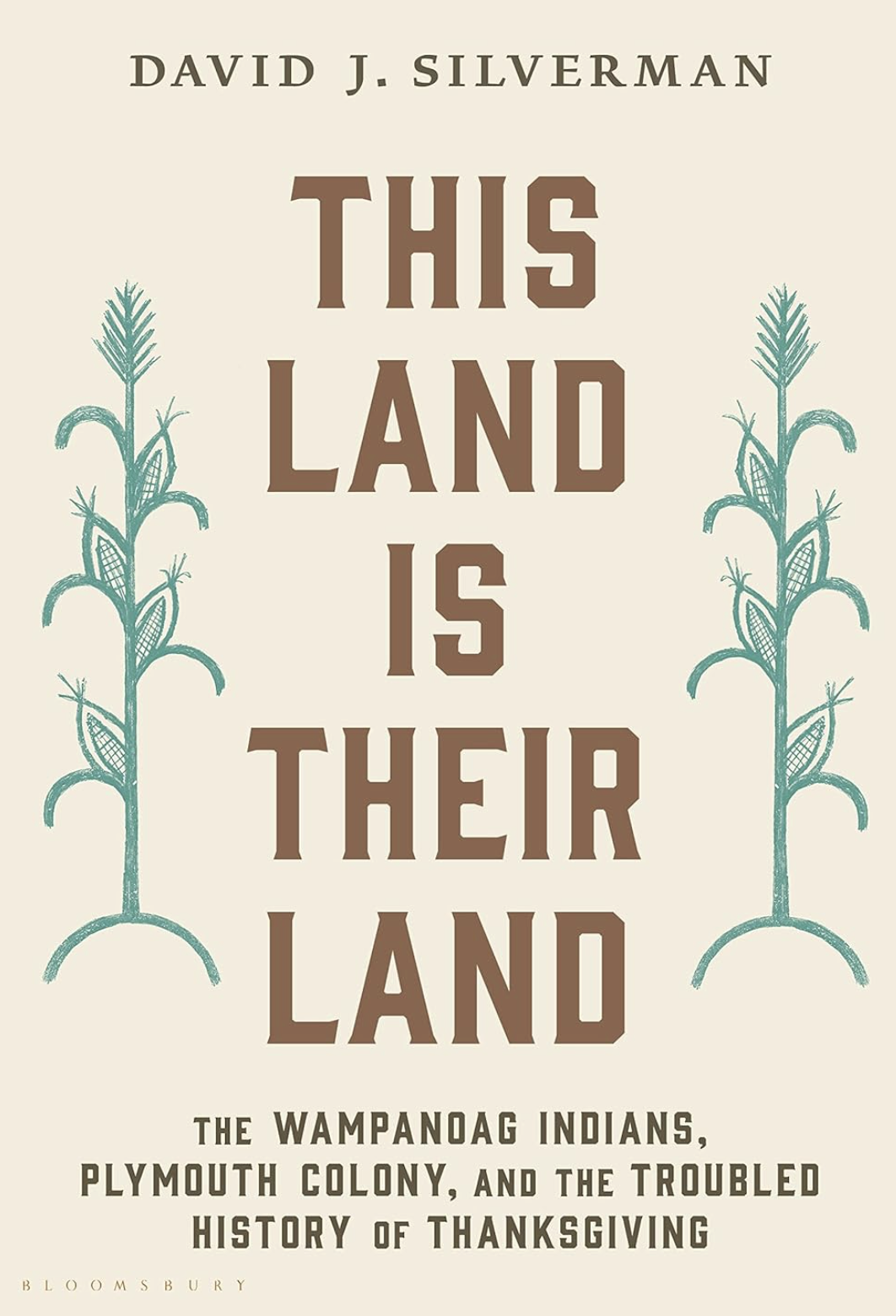
In This Land is Their Land: The Wampanoag Indians, Plymouth County, and the Troubled History of Thanksgiving (2019, Bloomsbury), Professor David J. Silverman takes on one of the insidious myths in American history: the story of the first Thanksgiving. Using primary source accounts from both the English and the Natives, Silverman takes a nuanced, thoughtful approach to unpacking the shameful and bloody history of the holiday. Silverman, who teaches Native American, Colonial American, and racial history at George Washington University, spoke with Zelda Zerkel-Morris and the National about children’s pageants, American mythology, and reactions to the book from both sides of the Atlantic. Professor Silverman’s upcoming book, The Chosen and the Damned: Native Americans and the Making of Race in the United States will be published by Bloomsbury in February.
To begin, I’d love to ask you about the genesis of the book. What made you want to tackle such a mainstay in American culture?
Back when I was a beginning scholar, I wrote a book about the Wampanoags of Martha's Vineyard. When I was writing that book, I reached out to the modern-day Aquinnah Wampanoag community, and one of the things they told me was how difficult the Thanksgiving season was for them, because it was a holiday in which their own country was, at minimum, making light of their own historic ordeals, and at worst, was celebrating their death and dispossession.
They said it was especially difficult for them when they had kids in the schools, because then it wasn't just neighbors putting up decorations of Pilgrims and Indians, car dealerships, or whatever they were. Authority figures who were supposed to know something about history, propagating a history that was that involved them effectively conceding to colonialism. The kids would come home, and they'd say, “My teachers said that we welcomed this and that we're all gone.” It seemed to me that a book setting the story straight was important.
I also work regularly with teacher training institutes on the subject of the American Revolution, but what they always want to ask me about as an expert in Native American history is the history of Thanksgiving, because it's the one cameo native people make every year in the curriculum. It seemed to me, I could reach an awful lot of people through the teachers if I wrote a book that was compelling and accessible to them.
I'm glad that you mentioned how much the story is taught to kids, there’s a great part in the introduction where you ask why a child with the last name Silverman should be expected to identify more with the pilgrims than with the Natives.
I can remember participating in a Thanksgiving pageant in grade school and singing My Country Tis of Thee, in which we praise the Pilgrims as my fathers. They're not my fathers! I have nothing to do with them.
It’s hard to find nuance in discussions of the relationship between the Native Americans and the English. A lot of more recent depictions remove agency from the Natives and portray them as victims. Your book seems to try and remedy this.
My job is to try to recapture a complex past with as much complexity as possible. Human beings are three-dimensional figures, and all groups of people have noble qualities and ignoble qualities, and I'm supposed to capture those to the best of my ability. The vast majority of Wampanoag people who have told me they've read the book love it, but there is a critical mass, a minority, that don't like my honest depiction of power plays between indigenous people. And the point I'm always trying to make is, look, that's how colonialism works. It plays divide and conquer against indigenous people. If you don't acknowledge that dynamic, you can't understand how colonialism works.
Why did it feel important to begin the book before the arrival of the English, in what you describe as the “Old World” of the Wampanoags?
I think it's important in a couple of different ways. When you're doing Native American history, you're not just teaching, you're also trying to break down inherited myths. Among the inherited myths that are so pervasive in American society is that native people were people without history until the whites showed up, that they're kind of frozen in this prehistoric stasis, which is patent nonsense. To paint them in three dimensions as a dynamic people with hot history, not just frozen in time, depicts a true concept. It also helps the reader to understand what's lost.
A big part of the discussion of the Old World is the plague and the emotional toll it took on the surviving Natives. They experienced something we might think of as PTSD now, which very few colonial histories take note of.
Well, and it's interesting, there's no lack of material in the written record about it. Among the things that strike the English the most when they get there is how depopulated the land is, and how many skeletons there are above ground. But then they start asking Native people about it, and the Native people don't want to talk about it. To the extent they do talk about it, you could tell they are shellshocked. They can't grasp what has happened to them.
You have the beginning before the arrival of the English, and then you discuss the Red Power movement in the 1970s and the establishment of the National Day of Mourning. Did meeting with modern-day members of the Wampanoags inspire these kind of “bookends” of their colonial history?
When I wrote my first book I ended it in the late 19th century, and Wampanoag people told me they wished I hadn’t done that. They said, “Any time a historian doesn't take it to the present, it reinforces the prejudice of the broader public that we're gone.” It really hit me, and I said, okay, when I have this history under my belt a bit more, I'll revisit it.
The book deals with an American mythology, not merely the story of the first Thanksgiving, but with figures like Sacajawea and Squanto that have so much pseudohistory around them. What is it like as a historian to engage with those kinds of topics?
Well, it's a mixed bag. There are some folks, overwhelmingly on the right, who assume that my political agenda is to tear the country down. And, you know, to the extent that white supremacy has been a foundational element of the United States from the beginning, they're 100% correct. But my agenda isn't to destroy the country. It’s to make it better. When I speak to groups I know have a rightward-leaning political bent, which I do as often as I can, because I think it's important to have these discussions, I make it very clear to them what my job as a historian is, that I am not advancing the political agenda of the Wampanoag people or Native American people or the Native studies movement or any of these things. I'm just trying to get this history as right as I possibly can.
When I present this work—even to a very skeptical audience—I find they're convinced by it. The evidence is overwhelming. What they struggle with is, if this is true, what do we do with it? What I always say is this history doesn't lend itself to one policy prescription or another. It doesn't mean you're for big government or small government, but it does command us to rethink our history education and our national narratives.
In the book, you mention that a dinner did happen between the Wampanoags and the English, but neither side thought of it as an important moment in their relationship. Why do you think it is that this specific story has captured the American imagination and become so insidious?
Oh, I don't think there's any question about it. It allows us to propagate a story of bloodless colonialism. The United States, since World War Two, has liked to think of itself as the global leader in opposition to genocide, and as a beacon of human rights. Before World War Two, it did not think of itself that way. If you go to the United States Capitol and look around at the artwork, the white people of this country were triumphalist in their crushing of native people. But post World War Two, that became a very uncomfortable heritage. With the mass immigration of the late 19th and early 20th century, it wanted to style itself as a melting pot. Genocide doesn't lend itself to a melting pot metaphor, so the way the country has approached the history of colonialism and Native people is just to ignore it.
And the image of everyone breaking bread together makes it easier to do that.
I have had this conversation with adults innumerable times now. It doesn't matter what their background is, doesn't matter what their political persuasion, religious persuasion is. When I say to them, Do you really think that a shared meal is an appropriate symbol of Native American and Euro American relations? Almost every single person says no. And I'll say, and are your kids taught that in school? Yes. Were you taught that in school? Yes. Were your parents taught that in school? Yes. What the hell are we doing? We all know better, and yet we keep on doing the same.
Zelda Zerkel-Morris holds a BA in History from DePaul University. A contributor to The National and her conversations with include authors Sasha Vasilyuk and Alice Austen.
From that Famous Man-Made Monster, to Native American Tales of Horror
Read MoreA Family Memoir that Strongly Resonates with the Current Political Climate
Read MoreLike a lot of Americans, I’ve spent the last decade dealing with one Trump generated national embarrassment after the next
Read MoreThe Civil Right’s Leader’s Radical Style of Opposition May Be What We Need More of Today
Read MoreJake Tapper and Alex Thompson Give a Fascinating Blow-by-Blow of How it All Went Awry
Read MoreLudwig Argues that Gun Violence Can Often Be Avoided through Simple Interventions
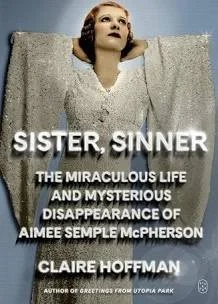
Read MoreAn Iconic Woman Whose Life Combined Religion, Celebrity, and Scandal
Read MoreOn May 1st 1886, unions across America went on strike to demand an 8 hour work day. The strike culminated in Chicago’s Haymarket Square, where a deadly police riot resulted in the execution of four anarchists and labor activists. Three years later, the American Federation of Labor named the day International Worker’s Day, or May Day, to commemorate those lost at Haymarket. Unsettled by the radical origins of the May 1st date, Grover Cleveland designated the early September celebration of Labor Day. May Day, however, is observed globally, including by the Catholic Church, which named May 1st as the feast of St. Joseph the Worker in 1955.
Zelda Zerkel-Morris and The National have recommended a set of books about May Day, labor organizing, and workers’ history to mark the occasion.
Wobblies of the World: A Global History of the IWW edited by Peter Cole, David Struthers, and Kenyon Zimmer (Pluto Press, 2017)
Wobblies of the World is the first history of the International Workers of the World, also known as the IWW or Wobblies, from a global perspective. Because of its Chicago origins, histories of the IWW have largely focused on the United States. Cole, Struthers, and Zimmer examine the reach of the Wobblies in countries like South Africa, Ireland, and Mexico, expanding on the scholarship surrounding one of the most prominent labor movements of the 20th century.
The Long Deep Grudge by Toni Gilpin (Haymarket Books, 2020)
Winner of the Philip Taft Labor History Prize, The Long Deep Grudge explores the decades-long battle between International Harvester and the Farm Equipment Workers Union. Both groups were in unique positions during the labor clashes of the late 20th and early 19th century – International Harvester developed union suppression and avoidance tactics that are still in use today, and the FE Workers Union’s connection to the Communist Party made them targets of government surveillance. Gilpin explores the origins and dynamics of each side, helping to develop a well rounded account of a deeply influential conflict many readers likely have never encountered.
A History of America in Ten Strikes by Erik Loomis (The New Press, 2018)
In A History of America in Ten Strikes compares and contrasts the origins, durations, and long-term effects of ten strikes, from janitors to mill workers to air traffic controllers. In one section, Loomis discusses enslaved people’s withdrawal of labor in the Confederate South, challenging preconceived notions of workers’ movements and the agency they have had in watershed political and historical moments.
Lucy Parsons: an American Revolutionary by Carolyn Ashbaugh (Haymarket, 1976)
Contemporary labor historians largely neglected women and people of color in their accounts, which often center men of the white working class. Ashbaugh amends this in her moving biography of Lucy Parsons, a woman of color, labor activist, anarchist, and wife of Haymarket defendant Albert Parsons. Ashbaugh examines Parsons’ radical advocacy for the Black working class and women, including her belief in the necessity for class solidarity in the Black community, a point later echoed by Eugene Debs. Lucy Parsons is necessary reading for anyone looking to learn more about the woman considered by the Chicago Police to be “more dangerous than a thousand rioters.”
The Making of the English Working Class by E.P. Thompson (Victor Gollancz, 1966)
Another international perspective, The Making of the English Working Class examines the industrial revolution in England and its long-reaching effects on factory workers, tradesmen, and other members of the English proletariat. Though its publication in the early sixties stirred intense controversy among Thompson’s fellow academics, this study is now considered both his most influential work as well as a fundamental reading of labor history.
The Maya of Morganton: Work and Community in the New South by Leon Fink (University of North Carolina, 2022)
In 2003 Leon Fink traveled to Morganton, North Carolina, where he spent significant time with a community of Mexican and Guatemalan poultry workers attempting collectivization. His return almost two decades later resulted in an expanded version of The Maya of Morganton, where he examines changing American perceptions of immigration and deindustrialization with the struggles of migrant workers. The book feels especially relevant today in the aftermath of a presidential election run so heavily on the immigration anxieties of the white working class.
Labor’s Untold Story by Richard O. Boyer and Herbet M. Morias (Cameron Associates, 1955)
Currently in its 29th reprint, Labor’s Untold Story follows American labor history from the Civil War through the Eisenhower administration, focusing solely on the perspective of the worker. Published at the onset of the Cold War, it was also met with immense controversy. Along with E.P. Thompson, Boyer has been elevated to required reading for anyone interested in a 20th century radical perspective on labor.
Beaten Down, Worked Up: the Past, Present, and Future of American Labor by Steve Greenhouse (Knopf, 2019)
Beaten Down, Worked Up provides a much-needed look at the state of labor in post Occupy Wall Street America, considering the perspectives of gig workers like Uber drivers, illustrating that their concerns largely align with those of teachers, factory workers, and other jobs that one may more typically associate with labor organizing. Greenhouse also puts forward solutions and possibilities for what a future with a liberated working class could look like – perfect for a reader looking to end on a hopeful note.
Mama Learned Us to Work by LuAnn Jones (University of North Carolina, 2002)
Jones joins Ashbaugh in centering the voices of women in Mama Learned Us to Work, an oral history of female poultry workers in the post-World War II South. Contrary to past accounts of women workers, which often posited them as a passive class, Jones sees these women as changemakers in their communities, juxtaposing the emotional labor done in the household with the oftentimes equally physically and emotionally draining realities of factory work.
Hardpressed in the Heartland: The Hormel Strike and the Future of the Labor Movement by Peter Rachleff (South End Press, 1993)
Now unfortunately out of print (but available from many libraries and used book sellers), Hardpressed in the Heartland tells the story of the year-long strike by workers in the Hormel meatpacking plant in Austin, Minnesota. Rachleff uncovers a fascinating dynamic within the union, with the national leadership pushing for a negotiation while individual members remained committed to action. Perfect for readers interested in the push and pull between radicalism and pragmatism in social movements.
Zelda Zerkel-Morris holds a bachelor's degree in history with a focus on Slavic-American immigrant labor from Depaul University. Her previous work with the National includes interviews with authors Sasha Vasilyuk and Alice Austen.
The Protagonists are a Pair of Siblings who are Forced to Fend for Themselves
Read MoreThe National Book Review -- A journal of books and ideas
And a beautifully written memoir from the son of two famous 1960s radicals