Q&A: A Novel About Life in a Chicago Condo, and Dreams of a Better Path for Gaza
/
A Man’s Meditation on Homeland and Exile
Read MoreA Man’s Meditation on Homeland and Exile
Read More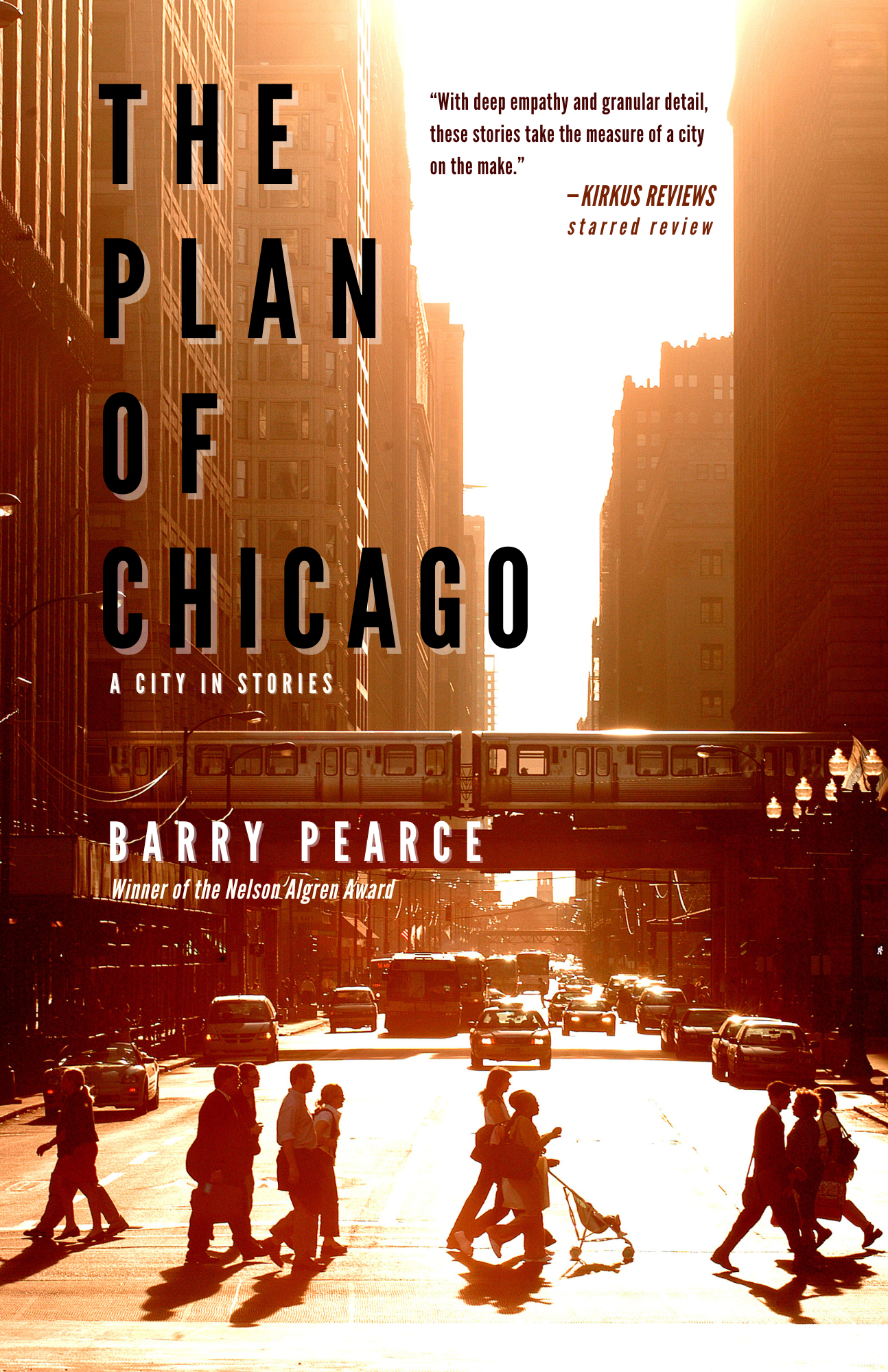
"The short story seems in no danger of disappearing, hesitant as corporate presses often are when a writer, well known or otherwise, presents them with a new story collection for publication. Despite the form’s purported limitations, a range of writers that include George Saunders, Jonathan Escoffery, Lucia Berlin, Morgan Talty, and Claire Keegan have published much acclaimed and commercially successful collections in the last decade.
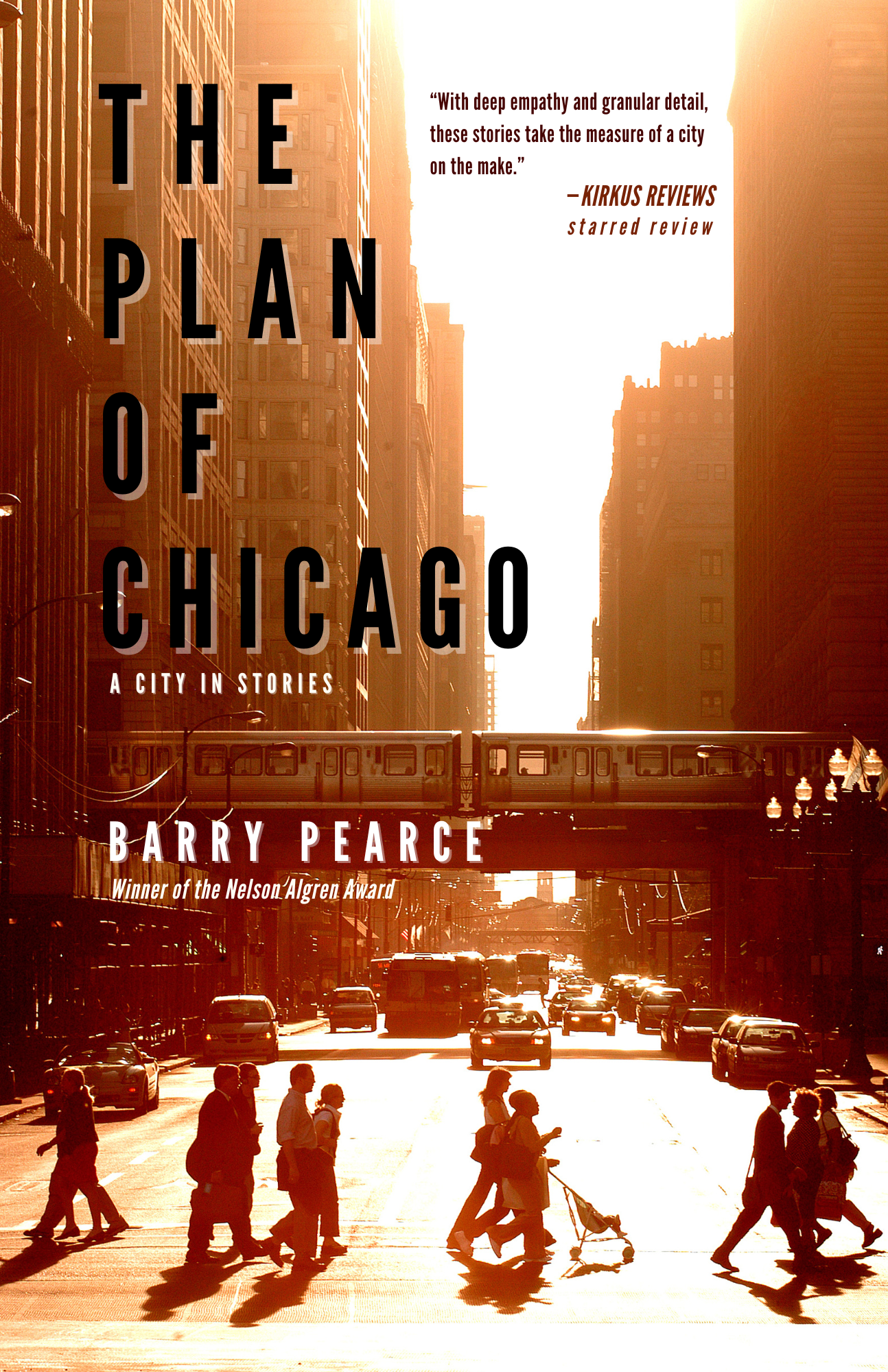
Chicago-based writer Barry Pearce is a worthy newcomer to their ranks. His debut collection, the vibrant, multifaceted The Plan of Chicago, features nine stories in which Pearce explores with insight and a sure hand the complexity and diversity of Carl Sandburg’s city of big shoulders. Along with Sandburg’s writing, The Plan of Chicago brings to mind Stuart Dybek’s searching, deeply sensitive, and often very funny short stories. Pearce is a writer who has an impressive range and an expansive heart. This is a terrific book." Christine Sneed talked with Barry Pearce about Chicago and the art of the short story for The National.
Q: “The Plan of Chicago” is a reference to a city planning document coauthored by Daniel Burnham. Did you start writing the stories in this book with that document in mind? Or did it come later? In your view, what is the plan of Chicago as you’ve interpreted it in these linked stories?
A: I did not have Burnham’s Plan in mind while I wrote these stories. The first full draft had a different title. The collection originally ended with a novella that included Daniel Burnham, Frank Lloyd Wright, and Louis Sullivan as characters, and “The Plan of Chicago” was mentioned explicitly there. When I finished “Enumerator,” the opening piece, the narrator, Margaret, kept talking about her plan to leave Poland and start a new life in Chicago. At that point, I realized I not only had bookends about “Chicago plans” but that all the stories in between seemed to involve people making plans that revolved around – and were often foiled by – the city.
The 1909 Burnham Plan was brilliant in some ways but also naïve and paternalistic – an attempt to impose order, homogeneity, and social control on a chaotic, wildly diverse place. I’m glad some brilliant bits were used – and that very little of it was realized. So, on one level, for me the title conjures the kind of idealized, almost Edenic vision that characters form around Chicago, only to see the city alter or shred their plans. The title and the epigraph from Burnham about a “City in a Garden” are ironic in this sense (as a reviewer at Kirkus wrote, not much here goes according to plan).
On a more literal level, the de facto plan of Chicago that evolved in place of Burnham’s scheme has many great elements but too often has relied on race, class, ethnicity, and violence as organizing principles. Dakhil, the Somali cab driver in “Lost and Found,” absorbs this “plan” as quickly as the official city grid: “He knew the official neighborhood boundaries, and the unofficial ones separating Black and White, Latin King and Vice Lord, posh and poor…”

The city makes space for beautiful collisions, like the moment of connection Dakhil feels with a rich white widow living in the Gold Coast, but systems stoking division are also, tragically, built into the plan of Chicago – biased policing, ethnic cronyism, a history of redlining, etc. At one point in “Lost and Found,” Dakhil sees a man selling rugs with animal designs outside a van on Division Street (a similar man sold similar rugs on that corner for years). The animals stare straight ahead as if trapped in woven cages, each wanting to escape but unaware of their neighbors’ similar desires. That image of compartmentalization, repeated in various ways throughout the book, sums up a key, unfortunate piece of the plan of Chicago for me.
Q: The first and longest story, “Enumerator,” features a Polish woman, Margaret, who has emigrated to the U.S. after she marries an American. She gets a job working for the census bureau. It’s a terrific story—full of humor, sadness, so many interesting characters and granular details about how to count people for the census. Did you do this work too? I also love the stories within this story. Were they there all along?
A: I’m so happy you like this story. It’s the last one I finished, and don’t we always want the most recent work to be our best? It’s also, I think, the strangest and most challenging piece in the book. It was definitely the most difficult to write – so many balls in the air. I did indeed work for the 2000 Census on NRFU, the Non-Response Follow-Up, counting people who hadn’t been counted because they never returned forms. I needed the money, but it’s one of the few times I went into something thinking of it as fodder for fiction. I paid attention and took notes, and I kept the handbook and forms and such, which was technically illegal (Shh!).
People have told me they read “Enumerator” as a story about someone gaining empathy. I think that’s true, though early on, I began to think of it as a story about someone becoming a writer (plenty of overlap there). Margaret, the narrator, moves from collecting the kind of basic info about people that fits neatly in boxes (more compartmentalization) to getting their real stories, counting them in a more substantial way. Fiction, at least for me, is all about counting the uncounted, and once I understood that metaphor, it seemed natural for Margaret to tell the stories of others within her story, which is about learning how to tell stories (sorry, so many stories!).
Q: You write from many different points of view, reflecting the multiplicity of the city and its inhabitants—young and old, Americans, immigrants, women, and men. How did you ensure that you were getting the voices and details right?
A: It’s a great question. First off, that was the project, to write a book about Chicago, as much of it as possible, which demands, as you say, reflecting the multiplicity of the city and its inhabitants. By some standards, no one is qualified to write such a book, but that means it never gets written, which would be too bad. It’s an incredible city whose diversity is its greatest strength and chief source of beauty. Should we not have a taste of that range on the page?
My answer is obvious, but it’s equally obvious that not everyone can write well about everything. My parents came here from Ireland, so I was on firm ground with the Irish characters. There are a lot of commonalities in immigrant experiences across groups, which gave me some insight into the many other immigrant characters, too. My neighborhood growing up was heavily Polish, with a growing Latino population, and it sat west of a huge, vibrant Black community.
So, one answer to your question is that of the hundreds of groups who might be represented, I leaned into those I had some experience with. Research played a role, whether that was hanging out in a neighborhood, talking to people, or reading books. Having friends with some authority vet various stories helped, too. At the end of the day, though, I think you have to go with what’s on the page and make a judgment call. Does it work? Does it pass what I’ve heard Dagoberto Gilb call “the scratch and sniff test.” I was fairly confident that the details and voice of the young gay African American woman in “Chez Whatever” seemed authentic. Despite our differences, I’ve never felt closer to a character. That is the most difficult and audacious thing, I think, to inhabit another human. If you get that right and you’re not completely out of your depth, the details will follow.
Q: You’ve published many of these stories in literary journals and won a prestigious Nelson Algren award for “Chez Whatever,” the story mentioned above. When you began writing them, did you see them as part of a book, organized by different Chicago neighborhoods (South Shore, Gold Coast, Bucktown, etc.) or did The Plan of Chicago come together over years?
A: The book evolved over many years. I didn’t start out with that structure – each story set in a distinct, labeled neighborhood, with characters overlapping. I was just working on stories, but over time, patterns and connections emerged. Once I saw them, the structure appeared organically. For instance, characters in “Enumerator,” “Chief O’Neill’s,” and “Clearing” were based on my brothers. I first tried to disguise them, but once I accepted the overlap between stories, it became an advantage, The characters deepened because I could explore them over longer periods and in different phases of life.
Once I started to think about how the stories worked together, I realized that each was set in a different Chicago neighborhood. Setting was not only important, it was generative. The place made or influenced the people, affected the plot, and provided imagery. Its dynamics were often the catalyst for the story. Giving setting that kind of role felt natural. I grew up in Chicago, obsessed with its neighborhoods, and as a journalist, wrote endless neighborhood profiles, which required sinking into communities – eating in the restaurants, walking the streets, catching music, drinking in taverns, and talking to residents. Chicago isn’t a town, really, it’s 200 towns, each with its own languages, character, culture, and politics. I find that fascinating, so it’s no surprise that this structure emerged.
Q: The concept of the American dream is an undercurrent that runs through all of these stories in one way or another. What other themes were you consciously (or unconsciously) exploring as you wrote this book?
A: I’m not religious in the least but as myth, the story of the Garden of Eden, with its themes of innocence, temptation, consciousness, and exile, gets referenced throughout the book. Characters often try to deny whatever new understanding they come to, scrambling for the biggest possible fig leaves. Sully in “Chief O’Neill’s” and Izzy in “Out of Egypt” deny knowledge they gain about their situations and those closest to them. Cynthia in “Swing Night” glimpses her tired, sordid relationship but insists that it’s special, and the unnamed narrator of “Chez Whatever” deludes herself into thinking she can undo her original sin if only she retells the story correctly. The fig leaves are already slipping, of course, and none of them will make it home again.
I didn’t understand how thoroughly the Edenic images and themes permeated the book until I was several full drafts in. That motif became an important through-line and on a larger scale, it echoes the Burnham Plan’s naïve utopian promise, that line about a city in a garden from the epigraph. On a still larger scale, beautiful, ugly, variegated Chicago, sitting more or less in the center of the country, is consciously a stand-in for America in the book.
The American dream, to return to your question, especially for immigrants, is another Eden story – innocence, vision of paradise, fall. Immigrants idealize the U.S. (or used to). They realize after arrival that the dream is, at least in part, nightmare, but exile is generally a permanent condition. They don’t quite fit here and can’t go back there, so like the character of Margaret in “Enumerator,” they “live in between.” That liminal space isn’t comfortable but it’s a great vantage from which to write.
Q: Do you have a favorite character or story? I’m showing my hand here – mine is the title story (aka “Enumerator”). Your main character is plucky and tough and beautifully complex.
A: I am thrilled once again to hear you like that story, but, Christine, no fair! It really is like asking who’s your favorite child. My cop-out answer is that different stories and characters have been my favorite at various times. “Chief O’Neill’s” is the oldest, and I think it’s the first story I wrote that felt competent, not that it was great, but that it worked. It was also the first piece of fiction I published, so it was the favorite for years.
“Chez Whatever” was a breakthrough of another sort. It won a prize and earned me actual cash (bringing my hourly rate up to $.02 an hour!), so it became the favorite. Now, as I contemplate a novel, “Enumerator” is in the running for me, too, partly because it’s the most novelistic piece in the book. It makes me feel that maybe I can get my teeth around this form that I find so intimidating.
Q: What are you working on now?
A: I am well into another collection of stories, these ones linked thematically, by architecture. I grew up accompanying my carpenter dad to jobs in downtown skyscrapers, which fascinated me. I later wrote about architecture as a journalist, and later still, became a docent at the Chicago Architecture Center, where I give tours. The novella I mentioned, with Burnham, Wright, and Sullivan as characters, appears in this collection. Every story has some connection to building or design, if not to an architect. I’ve learned as much about fiction from architects like Louis Sullivan as I have from writers, so the idea was a natural. With Sullivan’s dictum that form follows function in mind, I’ve felt both the freedom and need to experiment with the architecture of stories that are about architecture, which has been great fun.
I’m also working on a novel about a family of native Irish speakers who emigrate to the U.S. in the late ’50s. I’m reluctant to say much about it yet, but the oldest three boys are born there, three younger girls here, and the middle child, en route, as they travel by ship to New York. They come to see themselves as two families. The three oldest succumb to drugs and crime in their new home, the three youngest find success, at least on the surface, and the middle child escapes neighborhood blight only to be repeatedly dragged back. Yes, it makes The Plan of Chicago look like the lighthearted romantic comedy of the summer, but next, I will write something funny. Honest!
Christine Sneed is the author most recently of Please Be Advised: A Novel in Memos, and the story collections The Virginity of Famous Men: Stories and Direct Sunlight. She is the editor of the short fiction anthology Love in the Time of Time’s Up, and her work has been included in The Best American Short Stories, O. Henry Prize Stories, Ploughshares, New England Review, and numerous other publications. She has received the Grace Paley Prize in Short Fiction, the 21st Century Award from the Chicago Public Library Foundation, among other honors, and has been a finalist for the Los Angeles Times Book Prize. She lives in Pasadena, California and teaches creative writing for Northwestern University and Stanford University Continuing Studies.
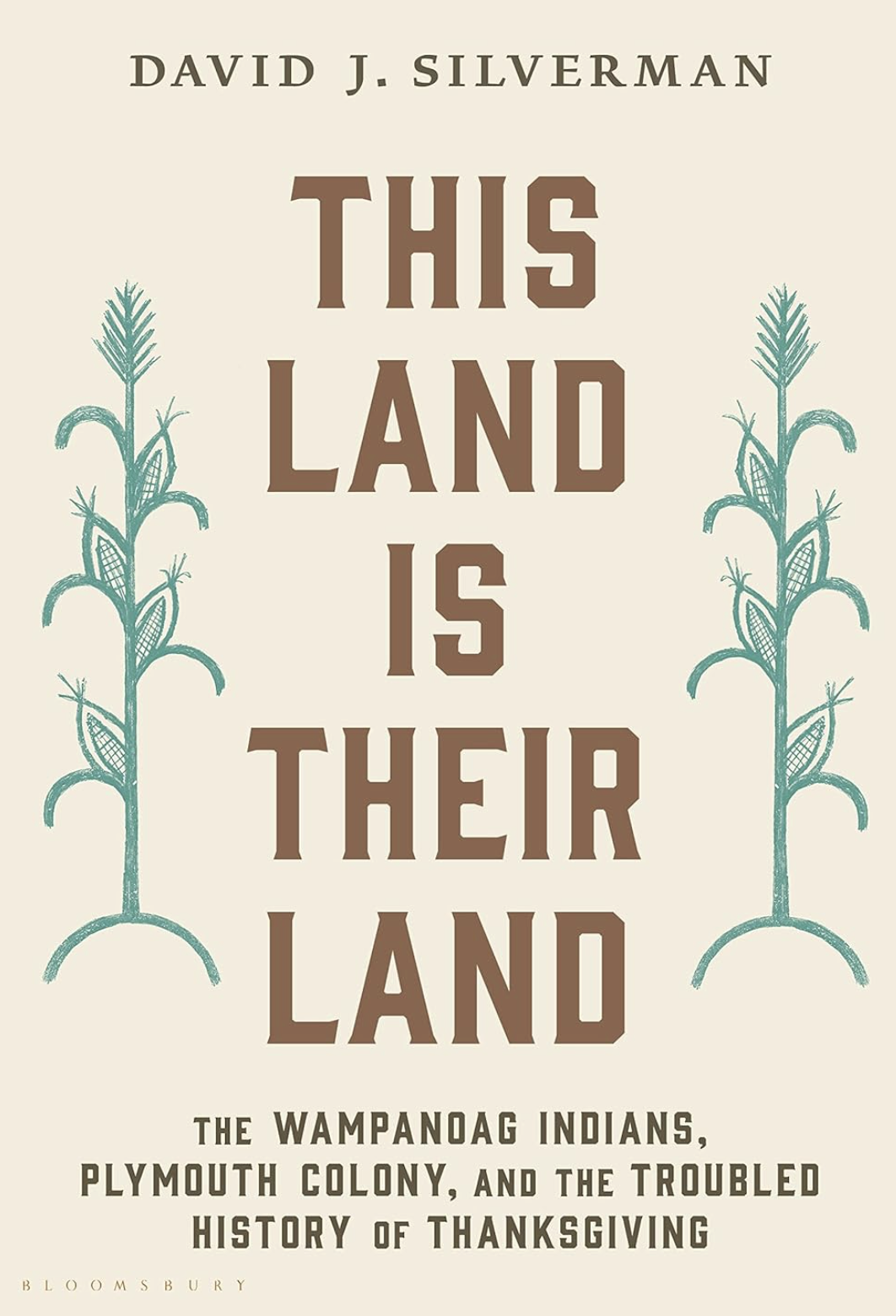
In This Land is Their Land: The Wampanoag Indians, Plymouth County, and the Troubled History of Thanksgiving (2019, Bloomsbury), Professor David J. Silverman takes on one of the insidious myths in American history: the story of the first Thanksgiving. Using primary source accounts from both the English and the Natives, Silverman takes a nuanced, thoughtful approach to unpacking the shameful and bloody history of the holiday. Silverman, who teaches Native American, Colonial American, and racial history at George Washington University, spoke with Zelda Zerkel-Morris and the National about children’s pageants, American mythology, and reactions to the book from both sides of the Atlantic. Professor Silverman’s upcoming book, The Chosen and the Damned: Native Americans and the Making of Race in the United States will be published by Bloomsbury in February.
To begin, I’d love to ask you about the genesis of the book. What made you want to tackle such a mainstay in American culture?
Back when I was a beginning scholar, I wrote a book about the Wampanoags of Martha's Vineyard. When I was writing that book, I reached out to the modern-day Aquinnah Wampanoag community, and one of the things they told me was how difficult the Thanksgiving season was for them, because it was a holiday in which their own country was, at minimum, making light of their own historic ordeals, and at worst, was celebrating their death and dispossession.
They said it was especially difficult for them when they had kids in the schools, because then it wasn't just neighbors putting up decorations of Pilgrims and Indians, car dealerships, or whatever they were. Authority figures who were supposed to know something about history, propagating a history that was that involved them effectively conceding to colonialism. The kids would come home, and they'd say, “My teachers said that we welcomed this and that we're all gone.” It seemed to me that a book setting the story straight was important.
I also work regularly with teacher training institutes on the subject of the American Revolution, but what they always want to ask me about as an expert in Native American history is the history of Thanksgiving, because it's the one cameo native people make every year in the curriculum. It seemed to me, I could reach an awful lot of people through the teachers if I wrote a book that was compelling and accessible to them.
I'm glad that you mentioned how much the story is taught to kids, there’s a great part in the introduction where you ask why a child with the last name Silverman should be expected to identify more with the pilgrims than with the Natives.
I can remember participating in a Thanksgiving pageant in grade school and singing My Country Tis of Thee, in which we praise the Pilgrims as my fathers. They're not my fathers! I have nothing to do with them.
It’s hard to find nuance in discussions of the relationship between the Native Americans and the English. A lot of more recent depictions remove agency from the Natives and portray them as victims. Your book seems to try and remedy this.
My job is to try to recapture a complex past with as much complexity as possible. Human beings are three-dimensional figures, and all groups of people have noble qualities and ignoble qualities, and I'm supposed to capture those to the best of my ability. The vast majority of Wampanoag people who have told me they've read the book love it, but there is a critical mass, a minority, that don't like my honest depiction of power plays between indigenous people. And the point I'm always trying to make is, look, that's how colonialism works. It plays divide and conquer against indigenous people. If you don't acknowledge that dynamic, you can't understand how colonialism works.
Why did it feel important to begin the book before the arrival of the English, in what you describe as the “Old World” of the Wampanoags?
I think it's important in a couple of different ways. When you're doing Native American history, you're not just teaching, you're also trying to break down inherited myths. Among the inherited myths that are so pervasive in American society is that native people were people without history until the whites showed up, that they're kind of frozen in this prehistoric stasis, which is patent nonsense. To paint them in three dimensions as a dynamic people with hot history, not just frozen in time, depicts a true concept. It also helps the reader to understand what's lost.
A big part of the discussion of the Old World is the plague and the emotional toll it took on the surviving Natives. They experienced something we might think of as PTSD now, which very few colonial histories take note of.
Well, and it's interesting, there's no lack of material in the written record about it. Among the things that strike the English the most when they get there is how depopulated the land is, and how many skeletons there are above ground. But then they start asking Native people about it, and the Native people don't want to talk about it. To the extent they do talk about it, you could tell they are shellshocked. They can't grasp what has happened to them.
You have the beginning before the arrival of the English, and then you discuss the Red Power movement in the 1970s and the establishment of the National Day of Mourning. Did meeting with modern-day members of the Wampanoags inspire these kind of “bookends” of their colonial history?
When I wrote my first book I ended it in the late 19th century, and Wampanoag people told me they wished I hadn’t done that. They said, “Any time a historian doesn't take it to the present, it reinforces the prejudice of the broader public that we're gone.” It really hit me, and I said, okay, when I have this history under my belt a bit more, I'll revisit it.
The book deals with an American mythology, not merely the story of the first Thanksgiving, but with figures like Sacajawea and Squanto that have so much pseudohistory around them. What is it like as a historian to engage with those kinds of topics?
Well, it's a mixed bag. There are some folks, overwhelmingly on the right, who assume that my political agenda is to tear the country down. And, you know, to the extent that white supremacy has been a foundational element of the United States from the beginning, they're 100% correct. But my agenda isn't to destroy the country. It’s to make it better. When I speak to groups I know have a rightward-leaning political bent, which I do as often as I can, because I think it's important to have these discussions, I make it very clear to them what my job as a historian is, that I am not advancing the political agenda of the Wampanoag people or Native American people or the Native studies movement or any of these things. I'm just trying to get this history as right as I possibly can.
When I present this work—even to a very skeptical audience—I find they're convinced by it. The evidence is overwhelming. What they struggle with is, if this is true, what do we do with it? What I always say is this history doesn't lend itself to one policy prescription or another. It doesn't mean you're for big government or small government, but it does command us to rethink our history education and our national narratives.
In the book, you mention that a dinner did happen between the Wampanoags and the English, but neither side thought of it as an important moment in their relationship. Why do you think it is that this specific story has captured the American imagination and become so insidious?
Oh, I don't think there's any question about it. It allows us to propagate a story of bloodless colonialism. The United States, since World War Two, has liked to think of itself as the global leader in opposition to genocide, and as a beacon of human rights. Before World War Two, it did not think of itself that way. If you go to the United States Capitol and look around at the artwork, the white people of this country were triumphalist in their crushing of native people. But post World War Two, that became a very uncomfortable heritage. With the mass immigration of the late 19th and early 20th century, it wanted to style itself as a melting pot. Genocide doesn't lend itself to a melting pot metaphor, so the way the country has approached the history of colonialism and Native people is just to ignore it.
And the image of everyone breaking bread together makes it easier to do that.
I have had this conversation with adults innumerable times now. It doesn't matter what their background is, doesn't matter what their political persuasion, religious persuasion is. When I say to them, Do you really think that a shared meal is an appropriate symbol of Native American and Euro American relations? Almost every single person says no. And I'll say, and are your kids taught that in school? Yes. Were you taught that in school? Yes. Were your parents taught that in school? Yes. What the hell are we doing? We all know better, and yet we keep on doing the same.
Zelda Zerkel-Morris holds a BA in History from DePaul University. A contributor to The National and her conversations with include authors Sasha Vasilyuk and Alice Austen.
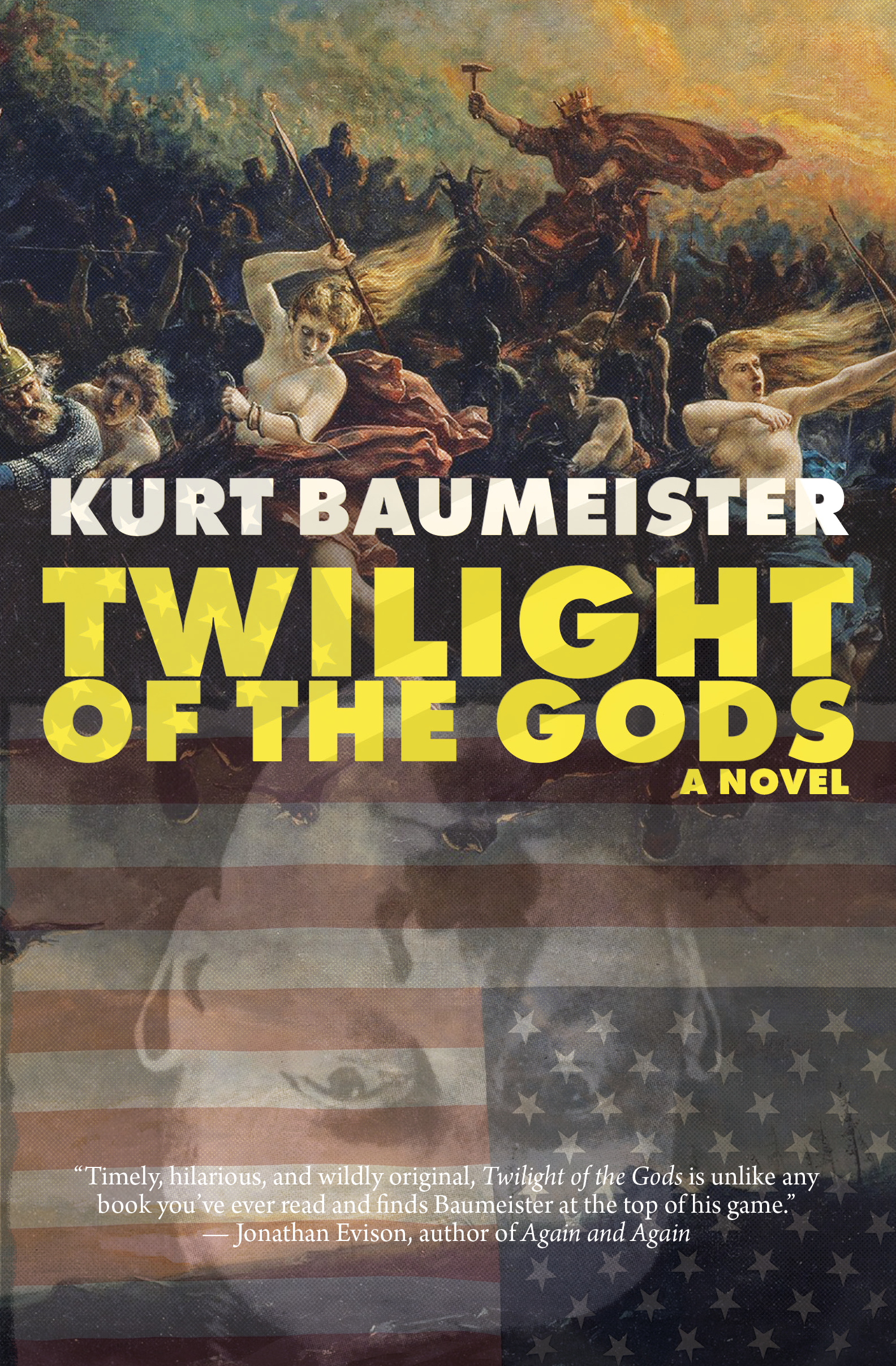
A Family Memoir that Strongly Resonates with the Current Political Climate
Read MoreLike a lot of Americans, I’ve spent the last decade dealing with one Trump generated national embarrassment after the next
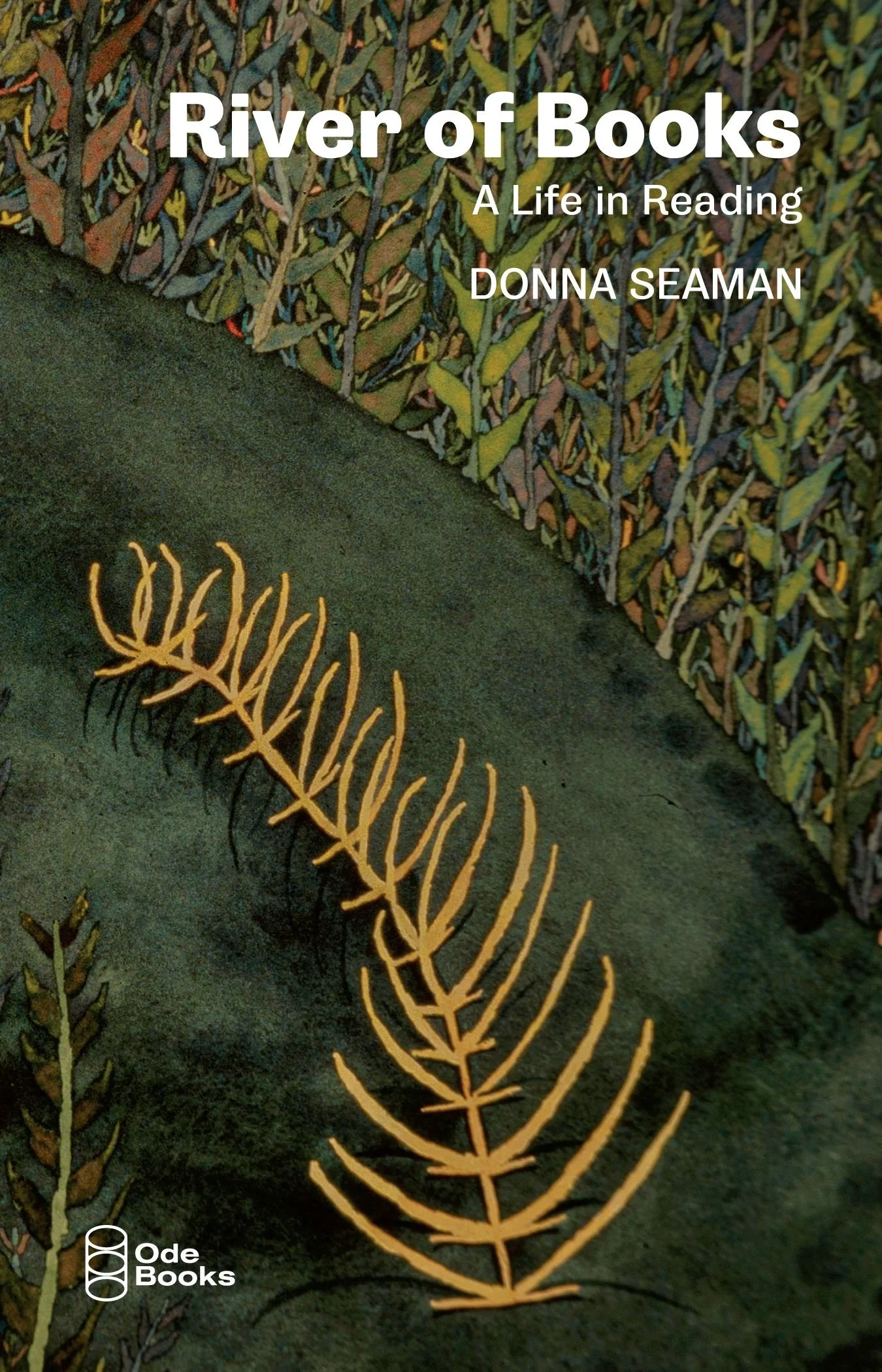
Read MoreFor Seaman, books are touchstones, companions, and portals to discovery.
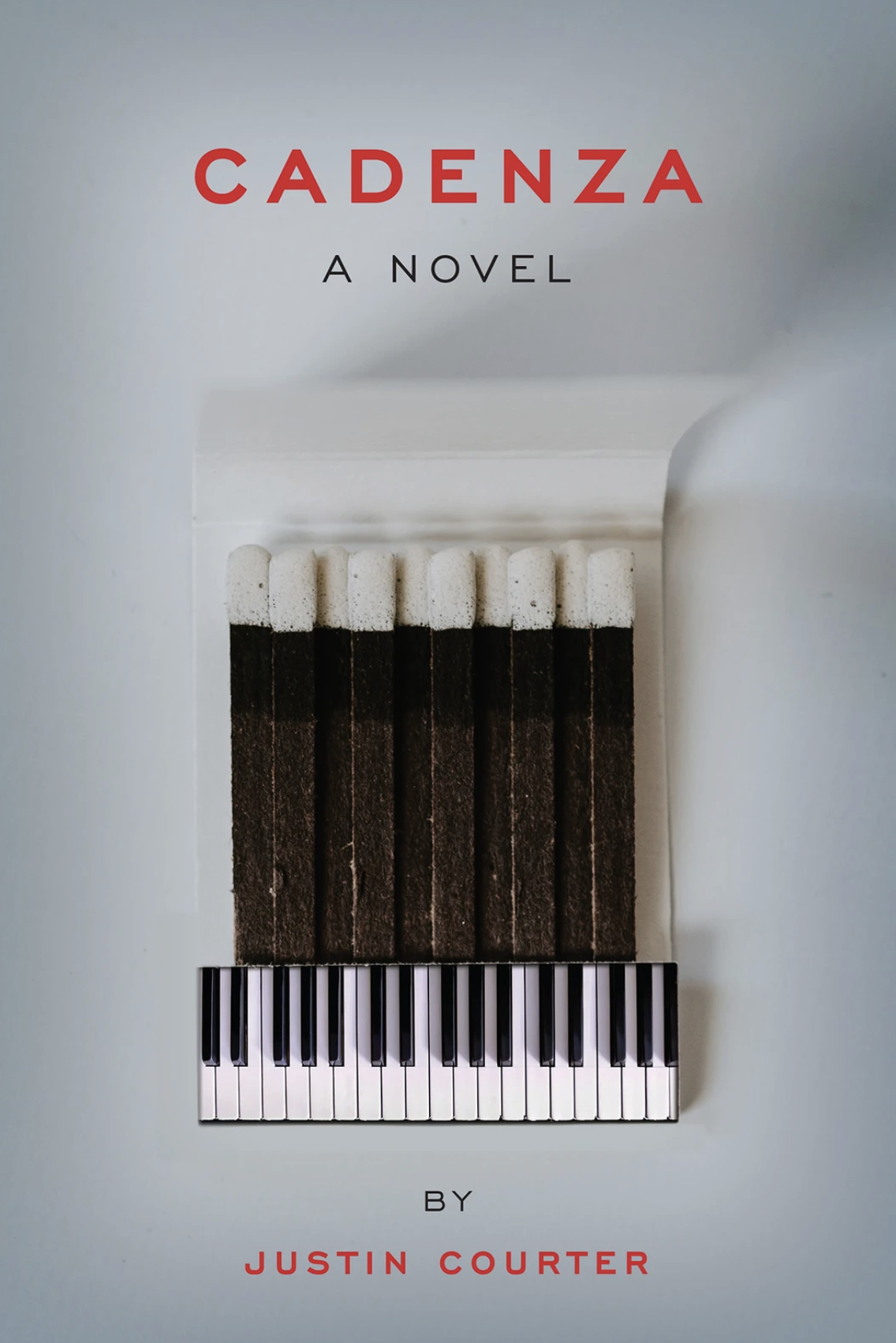
Read MoreTalking about the engaging, propulsive new novel ‘Cadenza’ — and more
Read MoreHe Was the First President to be the Recipient of a Presidential Transfer of Power
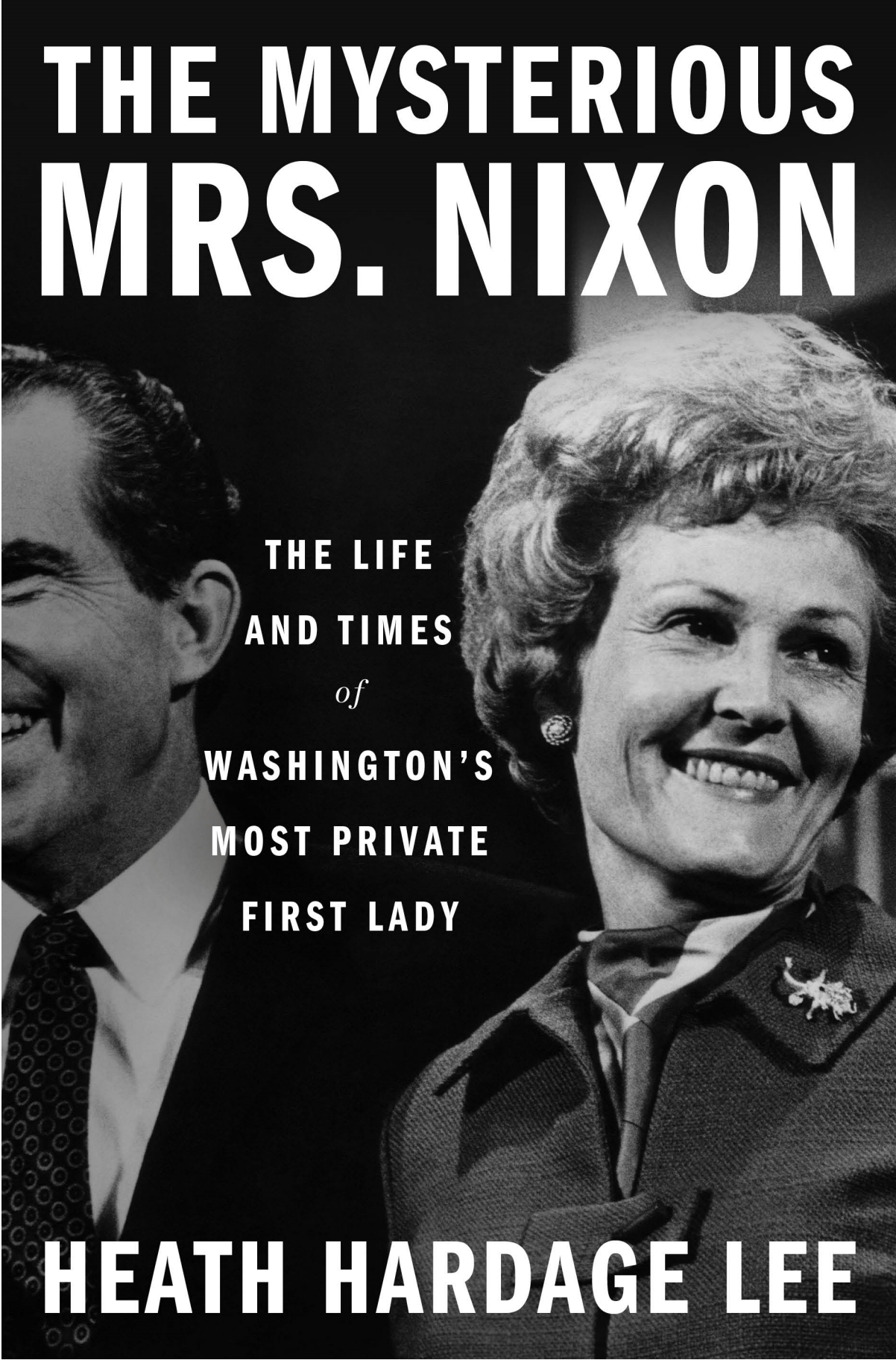
Read MoreShe Was Derided as “Plastic Pat,” but Fought Behind the Scenes for Her Causes — Including Women’s Rights
Read MoreHe Appeared on Long Island with a Business Card that Read “George Gordon Moore, Capitalist”
Read MoreOn Researching a Novel, Writing Protagonists, and More
Read MoreAnd Working in Almost Every Part of the Book Industry
Read MoreMadonna’s Approach to Her Work, the Author Says, Is Driven by Her “Insatiable Curiosity”
Read MoreIt Was the Best of Courts and the Worst of Courts — and One Filled with Large Personalities
Read MoreSmall presses are often the ones taking the biggest creative risks to uphold their commitment to producing original and exemplary literary works.
Read MoreMoving Beyond the “Winners Never Quit and Quitters Never Win!” Mindset
Read MoreThe Authors of ‘Gradual’ Make the Case for Toning Down the Rhetoric and Focusing on Practical Solutions
Read MoreA Book Based on Three Decades of Inhabiting the Life of the Intriguing First Lady
Read MoreI wrote about experiences that exercised pivotal importance in my life and changed me forever
Read MoreWhen I began seeing astonishing examples of disability representation I realized something had changed.
Read MoreThe National Book Review -- A journal of books and ideas






And a beautifully written memoir from the son of two famous 1960s radicals